Sa'i between the hills of Safa and Marwah is a fundamental pillar of Umrah, embodying deep faith and commemorating the perseverance of Lady Hajar. Given the physical endurance this ritual requires, pilgrims—especially the elderly and those with health concerns—benefit greatly from proper guidance and preparation. This guide outlines everything you need to know about Sa'i, including laps, distance, and practical recommendations for senior pilgrims.


The Significance and Ruling of Sa'i in Umrah
Sa'i between the historical mounts of Safa and Marwah is an indispensable pillar of Umrah according to the majority of Islamic scholars. The pilgrim commences this ritual immediately following the completion of Tawaf and the two rak'ahs behind Maqam Ibrahim or anywhere within the Grand Mosque. Sa'i symbolizes humble devotion, remembrance of Allah, and reliance upon His divine provision, mirroring Hajar's steadfast trust when she searched for water for her infant child, Ismail.
For Sa'i to be valid, it must take place after a valid Tawaf, begin at Safa, and conclude at Marwah. Performing the laps continuously without prolonged interruptions is a confirmed Sunnah, although taking a short rest due to fatigue or pausing for the obligatory congregational prayer is entirely permissible. Physical purity (Wudu) is recommended and highly meritorious, although according to the common scholarly consensus, it is not an absolute condition for the validity of Sa'i. For any specific jurisprudence questions or unexpected occurrences, pilgrims should consult recognized scholars.
How to Count the Laps: Start and Finish Points
Sa'i consists of seven distinct laps. First-time pilgrims frequently misunderstand how these laps are counted. The established rule is that each one-way traversal between the two hills counts as a separate lap.
- Lap 1: Starts at Mount Safa and ends at Mount Marwah.
- Lap 2: Starts at Mount Marwah and ends at Mount Safa.
- Lap 3: Starts at Mount Safa and ends at Mount Marwah.
- Lap 4: Starts at Mount Marwah and ends at Mount Safa.
- Lap 5: Starts at Mount Safa and ends at Mount Marwah.
- Lap 6: Starts at Mount Marwah and ends at Mount Safa.
- Lap 7: Starts at Mount Safa and concludes at Mount Marwah, completing the ritual.
Pilgrims must ensure they cover the entire marked course between the two boundaries in each lap. While reaching the base of the rock formations at Safa and Marwah is necessary, climbing onto the high elevated boulders is optional and not a requirement for validity.
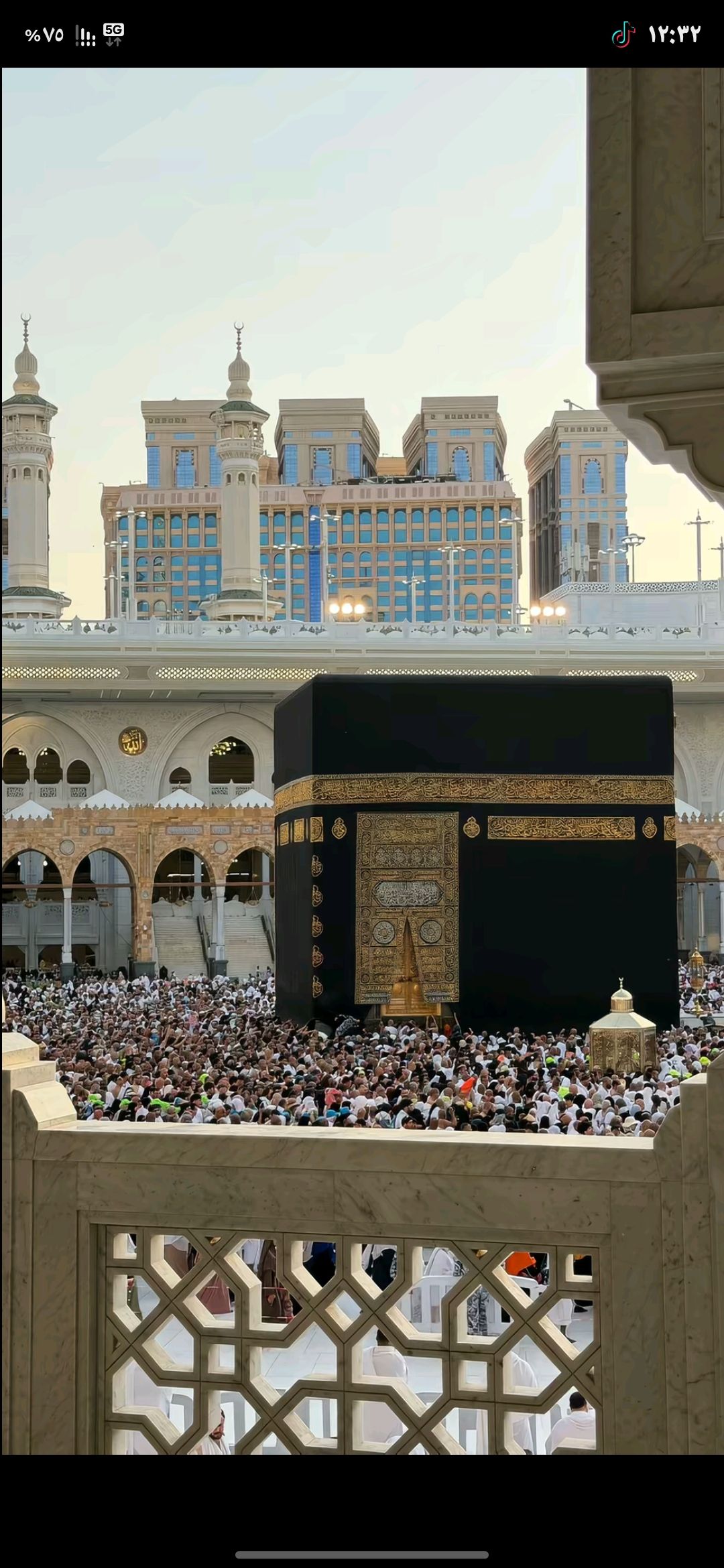
Total Distance of Sa'i and Mas'a Levels
The distance of a single lap between Safa and Marwah is approximately 395 to 400 meters. Consequently, completing the full seven laps means traversing approximately 2.8 kilometers on foot. Depending on walking pace, congestion, and personal fitness, completing Sa'i generally takes between 45 and 75 minutes.
Thanks to monumental expansions at the Grand Mosque, the Mas'a complex now offers multiple levels equipped with climate control and modern safety infrastructure:
- Ground Floor: The lowest level featuring the exposed rock foundations of Safa and Marwah; it is culturally iconic but often experiences high foot traffic.
- First Floor: A spacious, air-conditioned level favored by foot pilgrims for its pleasant atmosphere and smooth walkways.
- Second Floor: Offers ample open space with steady movement, making it ideal during peak pilgrimage periods.
- Mezzanine Floor: A designated transit level reserved solely for electric carts and wheelchairs, ensuring that pedestrian paths remain completely clear and safe.
- Roof Level: An open-air level utilized during peak seasons, offering natural ventilation and panoramic views of the Haram complex.
Recommended Sunnahs and Supplications During Sa'i
Upon approaching Mount Safa at the start of the first lap, it is Sunnah to recite the verse from the Quran: "Indeed, as-Safa and al-Marwah are among the symbols of Allah," followed by declaring: "We begin with what Allah began with." This recitation is performed only once at the beginning of the ritual. When standing on Safa facing the direction of the Holy Kaaba, one raises their hands in supplication, praises and glorifies Allah, and recites personal prayers three times.
For male pilgrims, it is Sunnah to jog at a brisk pace (Ramal) between the two sets of green lights marked along the path, while maintaining a normal walking pace for the rest of the lap. Female pilgrims do not run or jog at any stage of Sa'i; they should maintain a standard, steady walking pace throughout the entire ritual to preserve modest comfort and avoid physical strain.
Essential Advice for Elderly Pilgrims and Their Companions
Navigating the physical demands of Sa'i requires thoughtful preparation, especially for senior pilgrims. Here are crucial tips to ensure their safety and comfort:
- Choose Quieter Hours: Avoid the extreme heat of mid-day and the crowded hours immediately following the five daily congregational prayers. Early mornings after Fajr or late hours past midnight usually offer cooler temperatures and calmer paths.
- Hydration and Nutrition: Keep elderly pilgrims well hydrated using the abundant Zamzam water coolers located along the Mas'a halls. Encourage light, easily digestible meals prior to starting the rituals.
- Take Rest Breaks: There is no harm in taking brief rest stops on the benches provided along the sides of the Mas'a to catch breath and relieve joint pressure before resuming the laps.
- Supportive Footwear and Socks: Ensure comfortable, cushioned, slip-resistant footwear and cotton socks to prevent blisters and reduce joint strain on the smooth marble tiles.
- Continuous Supervision: A caregiver should stay close to the elderly pilgrim at all times. Equip the senior with an identification wristband, a charged mobile phone, and contact cards containing hotel details.
Mobility Solutions: Manual Wheelchairs and Electric Carts
The management of the Grand Mosque provides comprehensive mobility services to ensure that elderly pilgrims and individuals with physical limitations can perform their rites with dignity and ease:
- Free Manual Wheelchairs: Sturdy manual wheelchairs are accessible at designated distribution points near the perimeter of the Haram for companions to push throughout the rites.
- Official Wheelchair Pushers: Licensed, uniform-wearing attendants are available on-site for those who require dedicated assistance in pushing manual wheelchairs through the designated lanes.
- Modern Electric Scooters: Single-seat and double-seat electric carts can be rented on the mezzanine level. These user-friendly vehicles allow pilgrims or their family members to navigate designated lanes safely with minimal physical strain.
Islamic jurisprudence emphasizes ease and mercy, and utilizing mobility assistance when needed preserves health and spiritual focus without diminishing the reward of the pilgrimage.
Planning a seamless Umrah journey for yourself and your elderly family members starts with selecting the right arrangements. Visit Omraway to compare verified Umrah packages, find accommodations close to the Grand Mosque, and book your pilgrimage with utmost confidence.