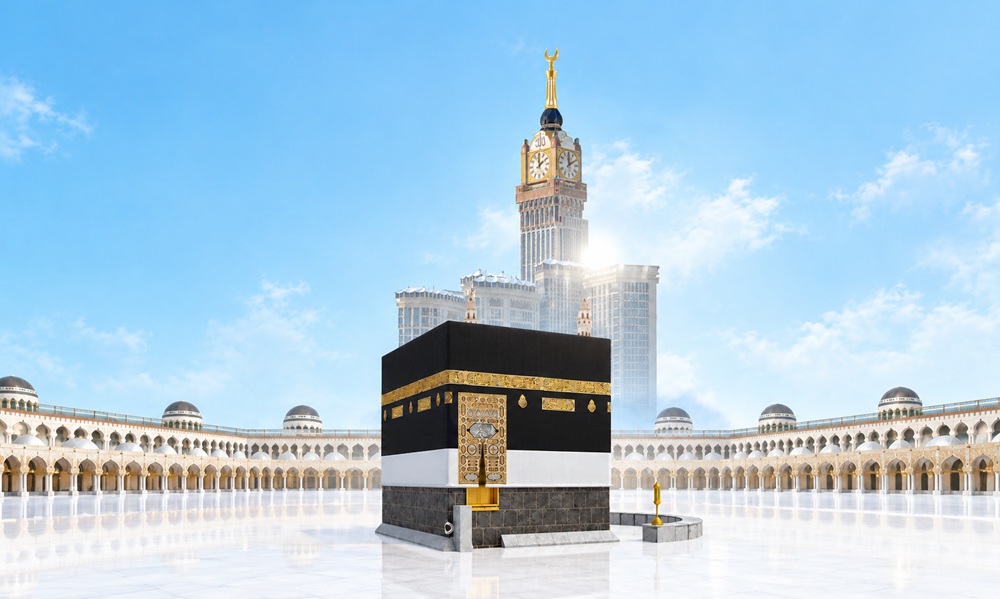
Tawaf around the Holy Kaaba is an indispensable pillar of Umrah, embodying unity, devotion, and collective submission to Allah. As pilgrims from every corner of the earth circle the Sacred House, hearts align in continuous prayer and remembrance. This guide explains how to perform each circuit correctly, highlights recommended supplications, and offers practical advice for navigating crowded periods with ease.



Essential Requirements and Conditions for Tawaf
Tawaf refers to the act of circumambulating the Holy Kaaba seven consecutive times in an act of worship. Before stepping onto the Mataf (the circumambulation area), pilgrims should ensure they meet several essential conditions.
- State of purity (Wudu) from major and minor impurities, according to the majority of scholars, along with proper covering of the Awrah.
- Keeping the Holy Kaaba directly to your left side throughout the entire duration of the Tawaf.
- Performing the circumambulation entirely outside the Kaaba and Hijr Ismail (the semi-circular walled area), as the Hijr is considered part of the sacred structure.
- Completing seven full rounds continuously, pausing only for legitimate reasons such as the start of an obligatory congregational prayer or renewing Wudu.
If any uncertainty or disagreement arises regarding purity or interrupted circuits, it is always recommended to consult recognized Islamic scholars for proper guidance.
How to Perform the Seven Circuits of Tawaf
Tawaf begins precisely in line with the Black Stone (Al-Hajar Al-Aswad). A pilgrim aligns with this point, faces the stone, says Takbir (Allahu Akbar), and raises the right hand toward it. Kissing or touching the stone is Sunnah only when it can be done without pushing; in heavy crowds, a simple gesture from a distance is completely sufficient.
For men performing the initial Tawaf of Umrah, two specific practices are prescribed: Idtiba (leaving the right shoulder uncovered by placing the middle of the upper garment under the right armpit and draped over the left shoulder) and Ramal (brisk walking with short steps during the first three circuits). In the remaining four rounds, pilgrims walk at a normal pace.
Pilgrims move in an anti-clockwise direction. Each time a pilgrim completes a full circle and returns to the line of the Black Stone, one circuit is counted and marked with Takbir until all seven rounds are fulfilled.

Recommended Dhikr and Supplications
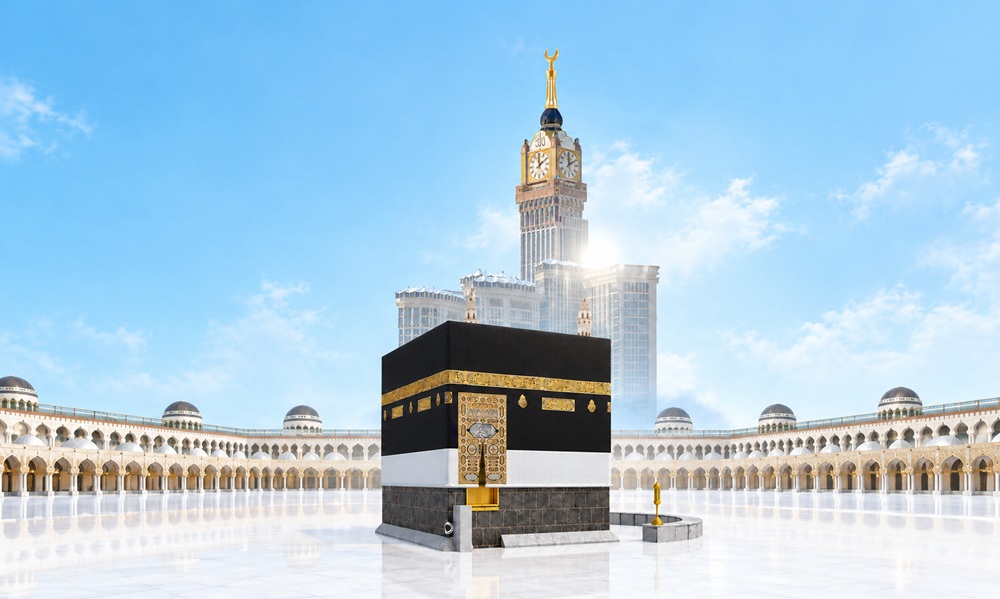
Islam does not mandate specific supplications for each separate circuit of Tawaf. Instead, pilgrims are encouraged to make sincere personal prayers, recite passages from the Holy Quran, or engage in general remembrance such as Tasbih, Tahmid, and Istighfar.
One specific, authentic Sunnah supplication is prescribed between the Yemeni Corner (Ar-Rukn Al-Yamani) and the Black Stone:
- "Rabbana atina fid-dunya hasanatan wa fil-akhirati hasanatan wa qina 'adhaban-nar" (Our Lord, give us in this world that which is good and in the Hereafter that which is good, and save us from the punishment of the Fire).
Pilgrims should strive to maintain spiritual presence and avoid unnecessary distractions, such as excessive use of mobile phones for photography or engaging in loud conversations that may disturb fellow worshipers.
Actions After Completing the Tawaf
Once the seventh round is concluded, the pilgrim should cover the right shoulder, thus ending the state of Idtiba, and proceed to complete the concluding rituals of Tawaf.
- Offer two short units of voluntary prayer (Rak'ahs) behind the Station of Abraham (Maqam Ibrahim) if easily accessible, or anywhere within the Sacred Mosque without blocking pathways.
- Drink Zamzam water, making personal supplications for health, guidance, and forgiveness while facing the Kaaba.
- Acknowledge the Black Stone with a gesture if convenient before heading toward the hills of Safa and Marwah to initiate the Sa'i.
Practical Tips for Managing Crowded Conditions
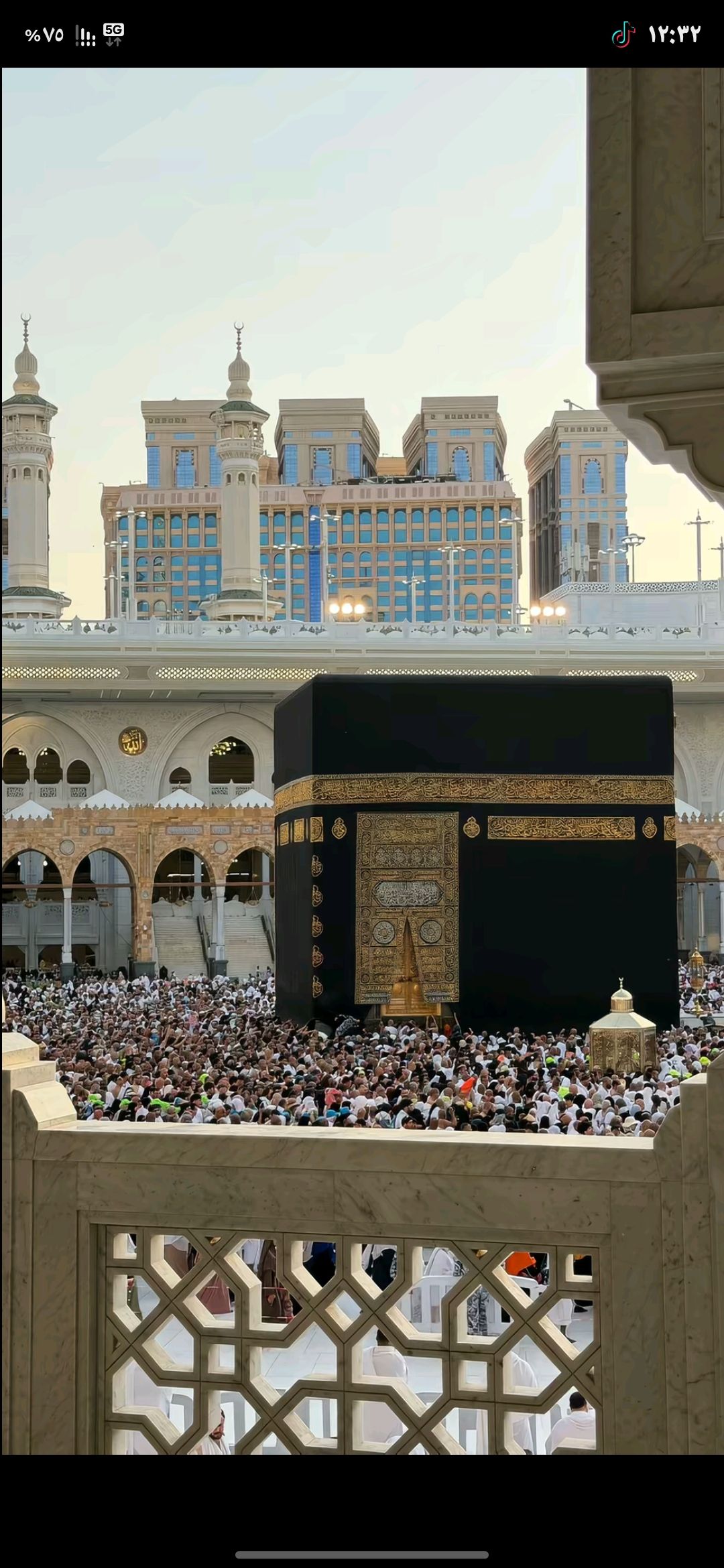
The Mataf area often experiences high foot traffic, making crowd awareness an essential part of a peaceful pilgrimage experience. Strategic timing and proper movement reduce physical fatigue and maintain safety.
- Choose off-peak times whenever possible, such as late night hours before dawn or mid-morning after sunrise.
- Consider utilizing the upper floors or roof levels of the Grand Mosque, particularly for elderly pilgrims, families with strollers, or wheelchair users, as the ground courtyard tends to have the highest density.
- Follow the natural momentum of the crowd and refrain from abruptly stopping, weaving diagonally, or walking against the flow.
- Track circuit counts carefully using a personal counting ring or relying on visual markers inside the Mataf to prevent confusion.
- Practice patience and courtesy, avoiding pushing or joining collective loud chanting that distracts others.
Common Mistakes to Avoid
Awareness of recurring errors ensures your Tawaf remains correct and rewarding:
- Walking through Hijr Ismail: Cutting through the walled semi-circle invalidates that particular round, because circumambulation must occur entirely around the exterior of the structure.
- Severe jostling to touch the Black Stone: Forcing your way through crowds causes distress to fellow Muslims, which contradicts the spiritual essence of the journey.
- Doubts regarding round numbers: If you are uncertain whether you have completed three or four rounds, Islamic jurisprudence advises building on certainty by selecting the lower number and completing the remaining circuits.
- Maintaining uncovered shoulder after Tawaf: Men should cover both shoulders immediately after the seventh circuit before performing the two-Rak'ah prayer.
To ensure your spiritual journey is seamless, organized, and worry-free, explore and compare tailored Umrah packages on Omraway, your trusted platform for booking verified pilgrimages.