Accompanying elderly parents or relatives on the Umrah journey is a deeply rewarding act of devotion, yet it requires thoughtful planning and attentive physical care. This guide outlines everything pilgrims and their companions need to know to ensure a seamless, comfortable, and spiritually fulfilling pilgrimage, from medical preparation and wheelchair accessibility to optimal scheduling.


Medical Preparation and Health Precautions
Preparing for Umrah with an elderly companion begins well before departure. A comprehensive medical consultation is vital, especially for individuals managing chronic conditions like hypertension, diabetes, or heart disease. The physician can evaluate fitness for travel, adjust medication schedules according to time zone changes, and advise on any physical constraints.
It is essential to pack an ample supply of routine medications to cover the entire duration of the trip along with extra reserves. A written medical summary outlining the pilgrim's diagnoses, allergies, and daily prescriptions should remain in the carry-on luggage for immediate accessibility. Make sure recommended vaccinations are up to date, and select supportive, non-slip footwear designed to cushion the feet during long periods on marble flooring. Providing the elderly pilgrim with an identification card indicating their name, companion's phone number, and hotel details ensures peace of mind.
Wheelchair Options in the Grand Mosque
Navigating the spacious courtyards and multi-level facilities of the Grand Mosque (Masjid al-Haram) is made significantly easier through well-organized wheelchair and mobility options:
- Complimentary manual wheelchairs: Provided by authorities for pilgrims whose companions can push them throughout the rituals.
- Official licensed pushers: Authorized assistants are available at designated stations for a regulated fee to handle manual wheelchairs during Tawaf and Sa'i.
- Electric mobility carts: Single and double-seated motorized carts operate on designated upper levels (such as the mezzanine and roof), keeping wheelchair users separated from walking crowds for added safety and comfort.
Companions should familiarize themselves with designated ramps and access points specifically allocated for wheelchairs to prevent bottlenecks and ensure smooth entry and exit.

Best Timing to Avoid Crowds and Peak Heat
Strategic timing plays a fundamental role in preserving the energy and well-being of elderly pilgrims. Intense heat and heavy foot traffic dramatically increase physical fatigue and the risk of dehydration. As a general rule, avoiding the peak congestion directly surrounding the obligatory prayer times is paramount.
Late night hours—roughly two to three hours before the dawn (Fajr) prayer—offer lower ambient temperatures and considerably thinner crowds. The early morning window following the Fajr prayer until mid-morning is another favorable interval. Conversely, performing Tawaf during the blazing midday heat between Dhuhr and Asr, or during the busy evening stretch between Maghrib and Isha, should be avoided whenever possible.
Ihram Rules and Spatial Boundaries (Mawaqit)
Ensuring an easy transit into the state of Ihram is an important step for older travelers. The sacred boundaries (Mawaqit) must be observed accurately without passing them without Ihram:
- Dhul Hulaifah (Abyar Ali): The Miqat for those coming from or passing through Madinah, roughly 420 km from Makkah.
- Al-Juhfah (with pilgrims entering Ihram today from Rabigh): The Miqat for those arriving from the Levant, Egypt, and North Africa, situated about 186 km from Makkah.
- Qarn al-Manazil (Al-Sayl al-Kabir, and its parallel Wadi Muharram): The Miqat for pilgrims from Najd (Riyadh, Qassim), Taif, and the east, approximately 75–80 km from Makkah.
- Yalamlam (Al-Sadiah): The Miqat for those travelling from Yemen and the south, roughly 100 km from Makkah.
- Dhat Irq (Al-Dharibah): The Miqat for arrivals from Iraq and the northeast, roughly 100 km from Makkah.
- Those residing within the Miqat perimeter, such as residents of Jeddah, enter Ihram from their location, while residents of Makkah travel to the nearest point outside the Haram boundary, most commonly Al-Taneem (Masjid Aisha).
Pilgrims flying by air enter Ihram upon crossing the boundary line in flight. It is best for elderly travelers to shower and put on the Ihram garments prior to boarding, declaring the intention and Talbiyah when the aircraft announces the Miqat.
Islamic Rulings and Ease in Tawaf and Sa'i
Islamic jurisprudence places immense value on leniency and preventing hardship. According to the established Sunnah, performing Tawaf and Sa'i while riding a conveyance is entirely permissible for anyone experiencing weakness, illness, or mobility limitations. The Prophet (peace be upon him) circled the Kaaba riding a mount during his Farewell Pilgrimage, demonstrating permissible accommodation for the community.
There is no expiation or penalty for using a wheelchair or electric cart when needed. Furthermore, there is no requirement to rush between rites; resting between Tawaf and Sa'i to drink Zamzam water, sit comfortably, and recover strength is encouraged. For nuanced fiqh questions, pilgrims should consult recognized scholars.
Practical Caregiving and Accommodation Advice
Caregivers must exercise gentle patience and continuous vigilance throughout the journey. Consider the following measures for a smooth experience:
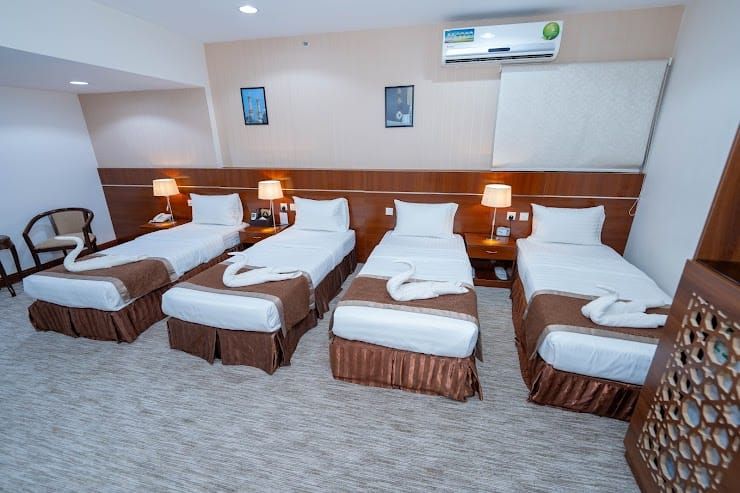
- Reserve accommodation within immediate walking distance of the Haram courtyard or choose verified hotels offering dedicated, accessible shuttle transfers.
- Emphasize hydration by offering water regularly and maintaining balanced meals.
- Allow generous rest periods in the room rather than over-scheduling shopping trips or unnecessary excursions.
- Check hotel accessibility, elevator availability, and wheelchair ramp readiness before completing bookings.
We invite you to explore Omraway to compare verified Umrah packages, select the most accessible hotels, and book comprehensive itineraries tailored specifically for elderly family members.