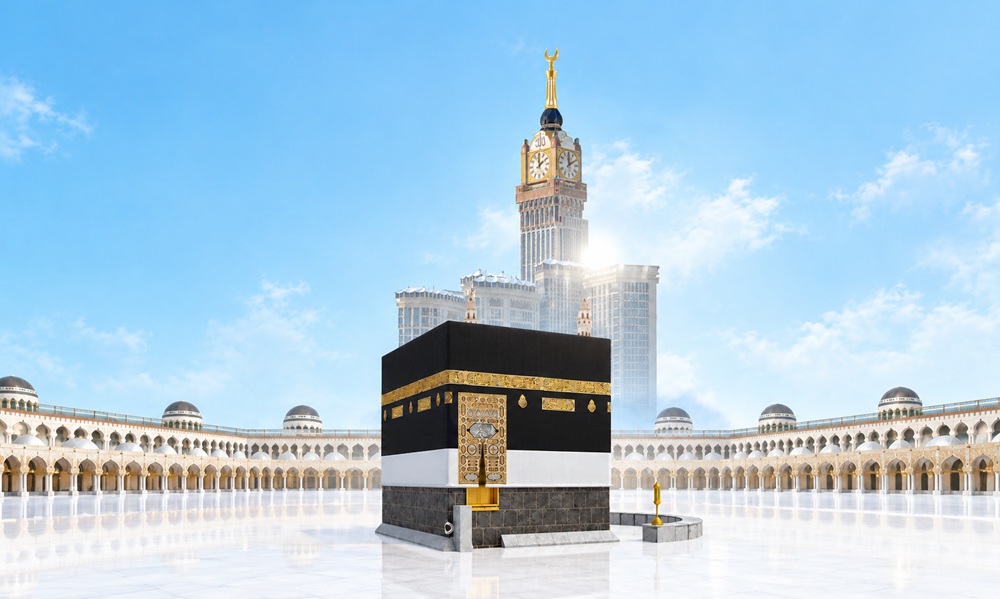
Planning an Umrah pilgrimage in June offers a distinct opportunity for pilgrims seeking an organized, spiritually enriching journey. Traveling during this period requires a clear understanding of the mid-year summer climate in Makkah and Madinah, along with practical insights into crowd dynamics and logistical planning.

Summer Climate in Makkah and Madinah During June
June marks the start of the intense summer period across the Arabian Peninsula. In Makkah, daytime temperatures reach high levels, accompanied by clear skies and strong, direct sunlight. The desert climate means that heat remains substantial throughout the afternoon, gradually moderating during the late night and early dawn hours.
In Madinah, June is characterized by dry desert heat, occasionally accompanied by light northern winds. While early mornings can be comparatively pleasant, temperatures rise rapidly after sunrise. Pilgrims visiting both holy cities should anticipate hot weather and structure their daily routine to minimize exposure during peak sun hours.
Crowd Patterns and Pilgrim Movement in June
Crowd density during June is influenced by the movement of the Hijri calendar, which shifts roughly ten to eleven days earlier each Gregorian year. As a result, June may align with major seasonal peaks in some years or offer relatively quieter periods in others, depending on the current Islamic calendar cycle.
Outside of major religious gatherings, crowd levels at the Grand Mosque in Makkah and the Prophet's Mosque in Madinah tend to peak around the five daily prayers, particularly Maghrib and Isha. Pilgrims who choose the late evening hours or early morning intervals often find a more tranquil atmosphere with easier movement within the Tawaf and Sa'i areas.


Boundaries of Ihram (The Mawaqit)
Pilgrims traveling to Makkah to perform Umrah must enter into the state of Ihram before or upon reaching their designated Miqat. According to established Islamic rulings, the geographical boundaries are as follows:
- Dhu al-Hulayfah (Abyar Ali): The Miqat for residents of Madinah and those passing through it, located about 420 km from Makkah, making it the furthest Miqat.
- Al-Juhfah (pilgrims today assume Ihram from Rabigh): The Miqat for those coming from the Levant, Egypt, North Africa, and that general direction, situated about 186 km from Makkah.
- Qarn al-Manazil (Al-Sayl Al-Kabir, paired with Wadi Muharram on the Taif-Al Hada route): The Miqat for the people of Najd, Riyadh, Al-Qassim, Taif, and those arriving from the east, about 75–80 km from Makkah.
- Yalamlam (Al-Sadiyah): The Miqat for those coming from Yemen and the south, about 100 km from Makkah.
- Dhat Irq (Al-Daribah): The Miqat for pilgrims coming from Iraq and the northeast, about 100 km from Makkah.
Those residing within the boundaries of these stations, such as the residents of Jeddah, enter Ihram from their place of residence. Residents and visitors staying inside Makkah who wish to perform Umrah must exit to the nearest boundary of Al-Hill, commonly the area of Al-Taneem at the Mosque of Aisha. Travelers arriving by air must enter Ihram as their aircraft crosses the Miqat alignment in flight, rather than delaying until landing; it is best to prepare clothing beforehand and consult qualified scholars on contested matters.
Practical Guidelines for Performing Umrah in the Heat
To perform rituals comfortably under summer conditions, pilgrims are advised to adopt several protective habits:
- Time your rituals wisely: Schedule your Tawaf and Sa'i during the coolest parts of the day, such as late night after Isha, the pre-dawn period, or shortly after sunrise.
- Maintain hydration: Drink ample amounts of Zamzam and plain water continuously throughout the day to prevent dehydration.
- Utilize umbrellas: Carry a lightweight, UV-reflective umbrella when crossing open courtyards around the mosques during daytime.
- Protect your skin: Use unperfumed moisturizers or barrier creams to prevent chafing during Ihram, and avoid staying under direct sun for prolonged periods.
- Consider indoor levels: The Grand Mosque offers multi-level, air-conditioned areas for both Tawaf and Sa'i, which provide welcome relief from direct sunlight.
Choosing Accommodation and Managing Transit in June
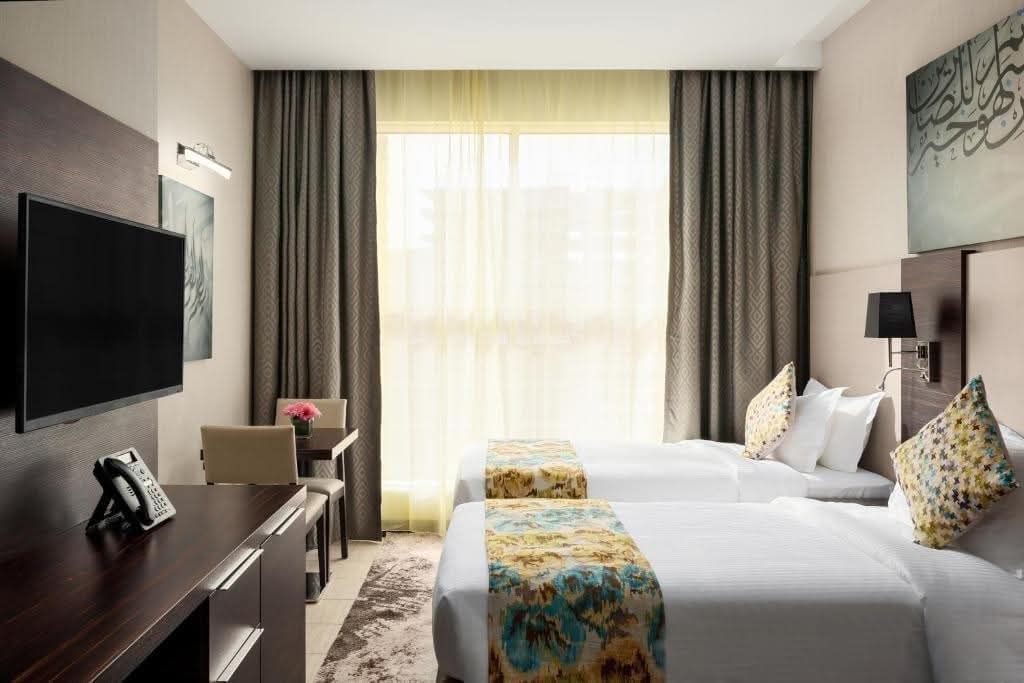
Selecting appropriate lodging is an essential component of a successful summer pilgrimage. Accommodations located within a short walking distance of the Haram minimize the time spent outdoors in the sun. If selecting hotels slightly farther away, prioritize those offering reliable, air-conditioned shuttle services.
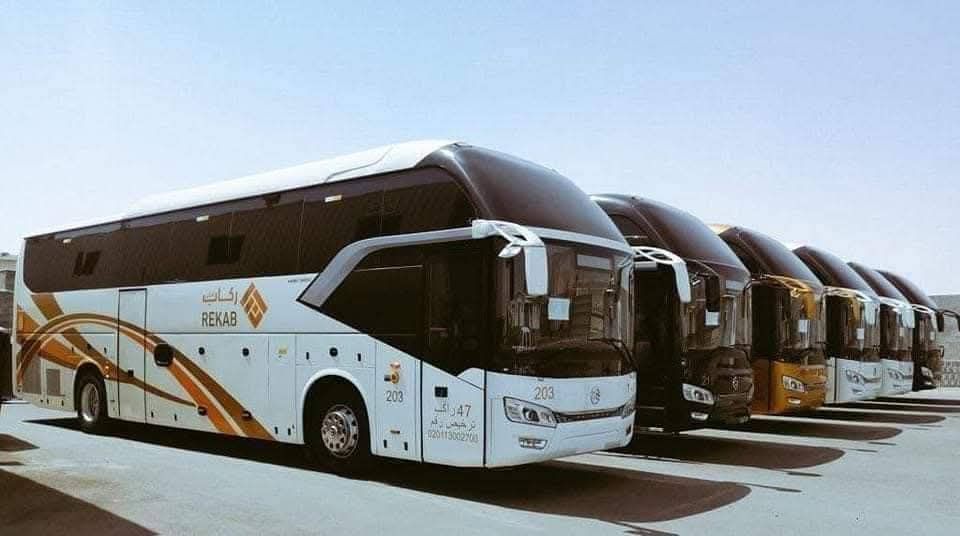
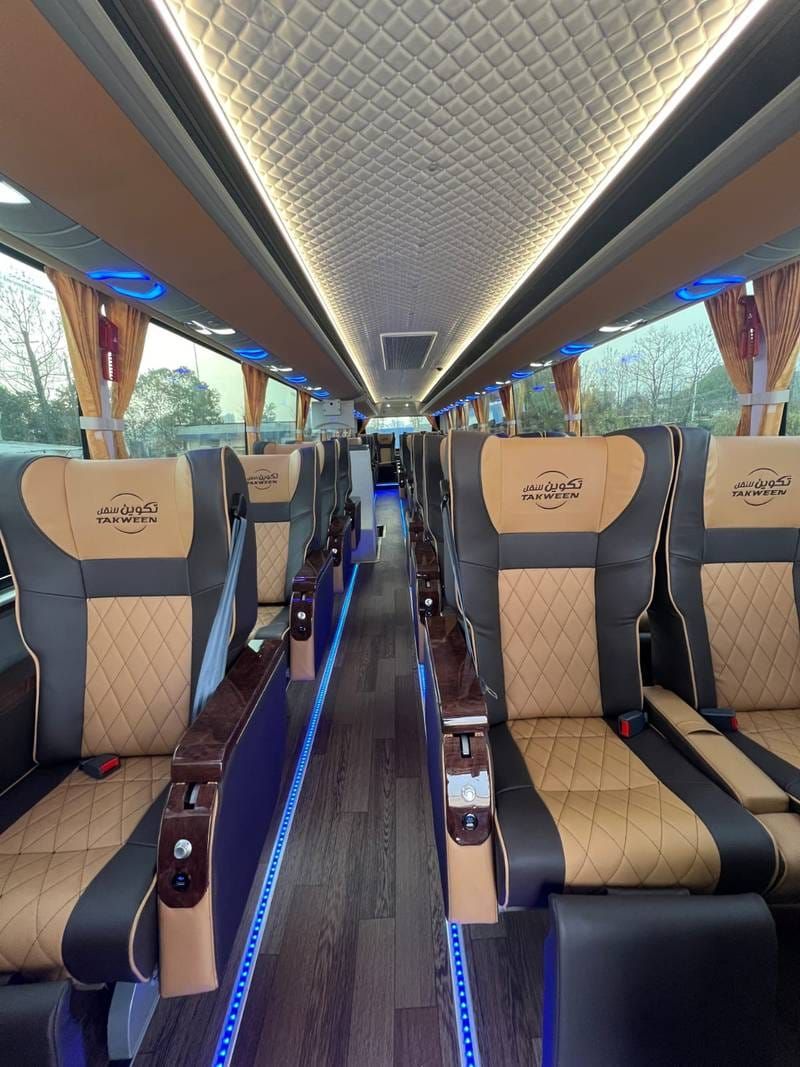
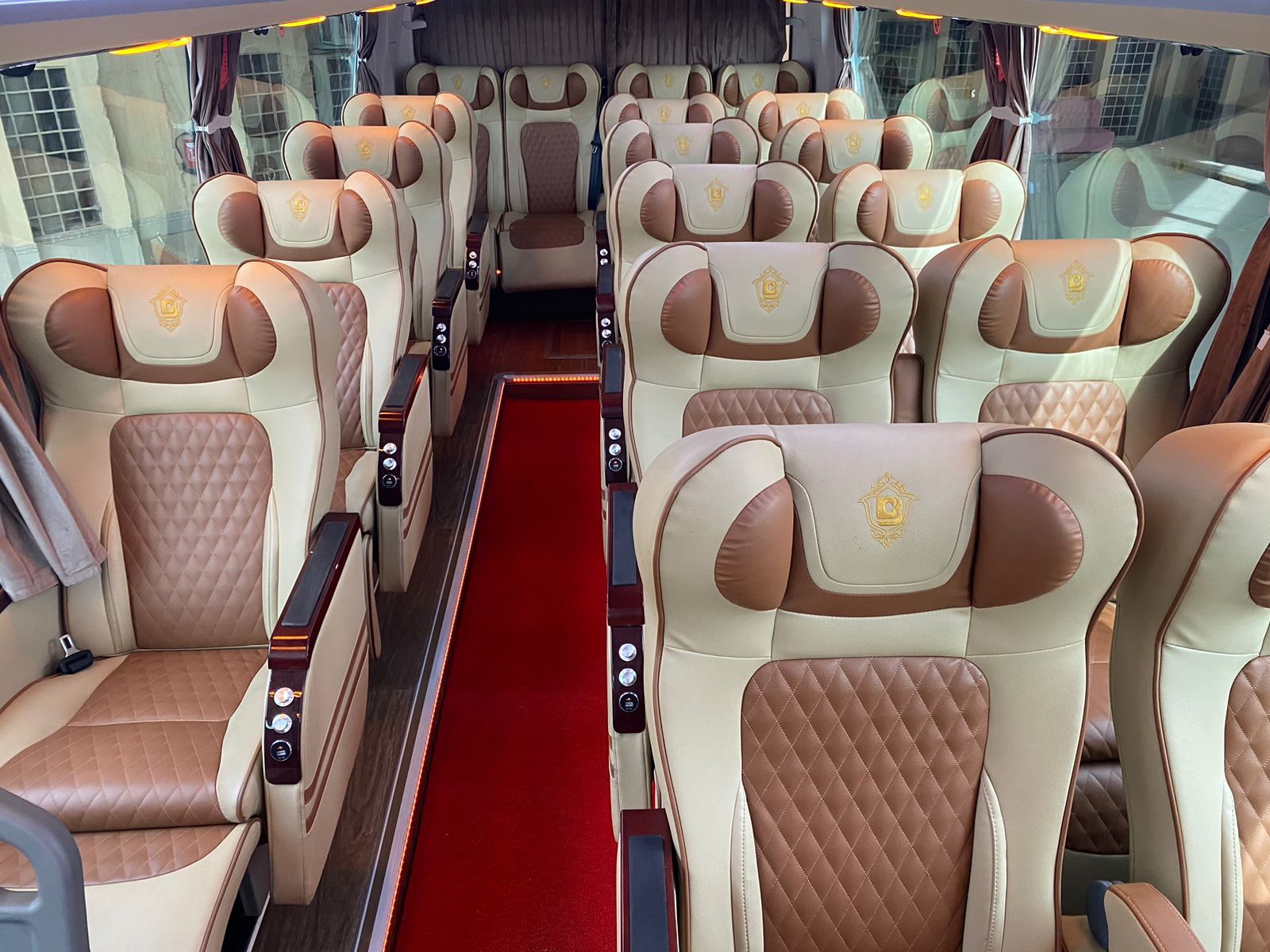
For intercity travel between Makkah and Madinah, modern air-conditioned transport options provide a comfortable and smooth transit. Ensure that travel schedules align with cooler times of the day, and confirm that your hotel rooms offer effective temperature control so you can rest adequately between prayer times.
Smart Planning and Booking Your Umrah
Early research and booking enable you to secure preferred room locations, reliable transit options, and suitable flight arrangements well in advance. Having a clear plan also allows you to finalize entry requirements, permits, and schedules without unnecessary stress.
Visit Omraway to compare verified Umrah packages, evaluate hotel and transport options, and book a comprehensive pilgrimage that best suits your travel needs.