Visiting the illuminated city of Madinah is a profound spiritual highlight for pilgrims traveling to the Kingdom for Umrah. Pilgrims journey to this blessed sanctuary to offer prayers in the Prophet's Mosque and connect with the timeless heritage of early Islamic history. In this comprehensive guide, we explore the foremost landmarks in Madinah, the virtues and etiquette of visiting them, and the essential steps to prepare for Ihram before traveling toward Makkah.

Madinah holds an enduring position of reverence in the hearts of Muslims worldwide as the city of the Prophet's migration and the cradle of the first Muslim society. While a visit to Madinah is not a mandatory pillar of Umrah itself, the vast majority of pilgrims eagerly include it in their itinerary to benefit from multiplied rewards for worship and to reflect upon the historical sites associated with the Prophet Muhammad and his companions.
The Prophet's Mosque and the Noble Rawdah
The central destination for every visitor to Madinah is the Prophet's Mosque (Al-Masjid an-Nabawi), an expansive haven of serenity where prayers earn multiplied rewards. Pilgrims organize their daily schedule around congregational prayers and quiet supplication.
Key areas within and adjoining the mosque include:
- The Noble Rawdah: Situated between the sacred chamber of the Prophet and his pulpit (Minbar), this blessed space is described in the Hadith as a garden from the gardens of Paradise. Pilgrims should secure their visit permits via official booking platforms in advance to ensure orderly entry, dedicating their time there to voluntary prayers, supplication, and Quranic recitation.
- Greeting the Prophet and his Companions: Visitors walk respectfully past the sacred chamber to extend peace upon the Prophet Muhammad, followed by greetings upon Abu Bakr and Umar ibn al-Khattab, maintaining modesty and an upright demeanor without excessive noise or distress.
- Baqi al-Gharqad Cemetery: Located just east of the mosque complex, this historic resting ground contains thousands of noble companions, wives of the Prophet, and members of his household. Men are encouraged to visit to remember the temporary nature of this life and pray for mercy upon the departed souls.
Masjid Quba and Its Virtues
Masjid Quba rests to the southwest of central Madinah and stands as the first mosque constructed in Islamic history upon the Prophet's arrival from Makkah. It carries distinct virtues recorded in the authentic Sunnah.
Prophetic tradition teaches that whoever purifies themselves at home and goes to Masjid Quba to perform prayer will attain a reward like that of an Umrah. The Prophet frequently visited it on Saturdays, both riding and walking. Visitors are recommended to perform ablution at their hotel, travel to Quba, and offer two units of voluntary prayer while reflecting on the beginnings of the Muslim community.

Mount Uhud and the Martyrs' Resting Place
To the north of Madinah rises Mount Uhud, a majestic mountain about which the Prophet stated: "This is a mountain that loves us and we love it." The surrounding plain served as the battleground for the historic Battle of Uhud, carrying enduring lessons in faith, perseverance, and obedience.
Significant locations at this site include:
- The Uhud Martyrs' Cemetery: This enclosed area holds the resting places of seventy companions martyred during the encounter, including Hamzah ibn Abd al-Muttalib and Mus'ab ibn Umayr. Visiting is intended for offering prayers of forgiveness for them and drawing lessons from their sacrifice.
- The Archers' Mound (Jabal ar-Rumah): The small rocky hill where the archers were stationed to secure the army's rear. Pilgrims observe the terrain to reflect on the importance of adhering to spiritual and practical guidance.
Historic Mosques and Heritage Landmarks
Several other locations across Madinah provide invaluable historical insight into the Prophet's life. These sites are visited for historical appreciation rather than specific rituals not prescribed in Islamic tradition:
- Masjid al-Qiblatayn (The Mosque of the Two Qiblahs): The site where divine revelation directed Muslims during prayer to shift their direction of worship from Jerusalem toward the Holy Kaaba in Makkah, establishing a defining moment in Islamic history.
- The Seven Mosques and Trench Site: Located along the slopes of Mount Sal' where the Battle of the Trench (Al-Khandaq) occurred. Small historic structures mark stations where companions kept watch during the siege.
- Historic Wells: Several ancient water wells around the city, such as Bir Ghars and Bir Rumah, reflect the philanthropic contributions of companions like Uthman ibn Affan and illustrate the deep civic traditions of the early community.
Miqat Dhu al-Hulayfah and Commencing the Umrah Pilgrimage
When pilgrims finish their stay in Madinah and set out by road or rail toward Makkah to perform Umrah, they must enter into the state of Ihram before or upon reaching their designated spatial station (Miqat):
- Dhu al-Hulayfah (known today as Abyar Ali): The designated miqat for the residents of Madinah and anyone traveling through it toward Makkah. It is the furthest of all boundary stations from Makkah, located at a distance of approximately 420 km.
Pilgrims must stop at Dhu al-Hulayfah to assume Ihram, perform required purifications if not done previously, wear the prescribed garments, formulate their intention, and recite the Talbiyah ("Labbayk Umrah"). Crossing beyond this point toward Makkah with the intention of Umrah without Ihram requires returning to it, and pilgrims should consult knowledgeable scholars regarding any oversight.
For reference, the other official mawaqit include:
- Al-Juhfah (pilgrims today enter Ihram from Rabigh): The miqat for travelers from the Levant, Egypt, and Morocco, approximately 186 km from Makkah.
- Qarn al-Manazil (As-Sayl al-Kabir, paired with Wadi Muharram on the Taif-Hada road): The miqat for travelers from Najd (including Riyadh and Qassim), Taif, and the east, approximately 75–80 km from Makkah.
- Yalamlam (As-Sadiyah): The miqat for travelers from Yemen and the south, approximately 100 km from Makkah.
- Dhat Irq (Al-Daribah): The miqat for travelers from Iraq and the northeast, approximately 100 km from Makkah.
- Those residing inside the boundary stations (such as Jeddah residents) assume Ihram from their place of stay, while residents within Makkah depart into the non-sacred perimeter (Al-Hill), the nearest being At-Tan'im (Masjid Aisha), to enter Ihram for Umrah.
- Air passengers must enter Ihram upon aligning with the miqat while airborne, making their preparations before departure or aboard the flight.
Practical Recommendations for a Meaningful Visit
To ensure your visitation across Madinah is spiritually rewarding and comfortable, consider these guidelines:
- Adhere to Islamic Etiquette: The primary purpose of visiting tombs and landmarks is contemplation, supplication, and honoring history. Avoid unprescribed actions such as rubbing structures or requesting needs from the deceased, and consult qualified scholars on contentious points.
- Schedule Ahead: Book your permit for the Rawdah via official platforms well in advance. Plan visits to outdoor locations like Uhud and Quba during the cooler morning or late afternoon hours.
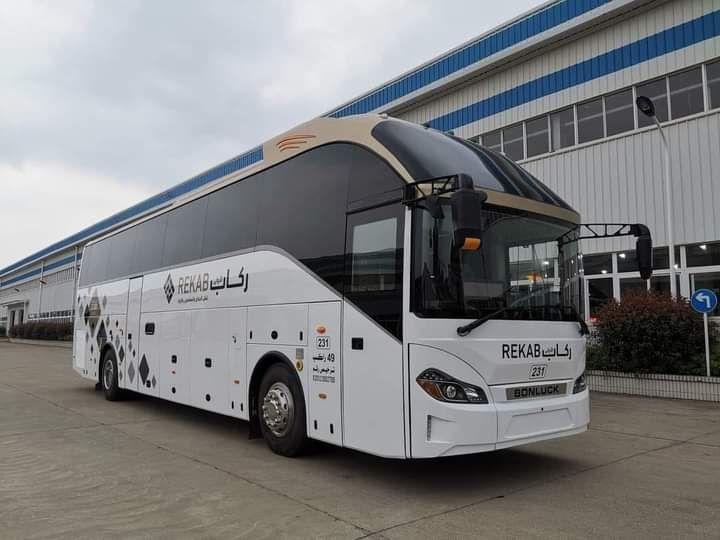
- Utilize Modern Transit: Madinah offers efficient transportation options, including guided transit, taxis, and the Haramain High-Speed Railway connecting directly to Makkah in comfort.
To make your journey smooth and deeply rewarding from start to finish, compare trusted Umrah packages and book your next spiritual journey easily through Omraway.