March is often considered one of the most favorable months for Umrah due to the milder weather in Saudi Arabia compared to the intense summer season. Planning a pilgrimage during this time requires an understanding of regional weather shifts, expected crowd densities, and accurate preparation for Miqat boundaries.

Weather Conditions in Makkah and Madinah in March
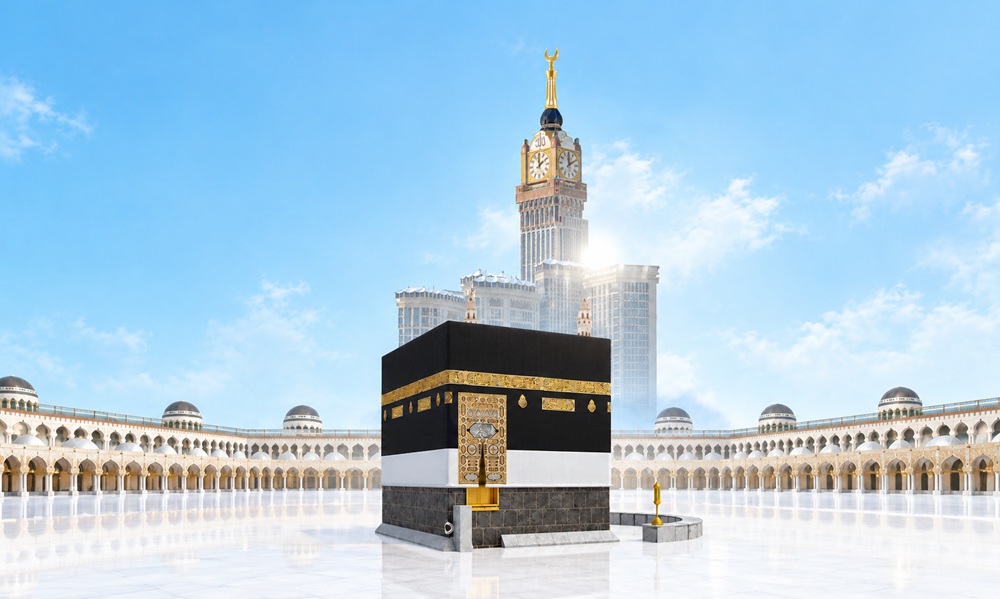
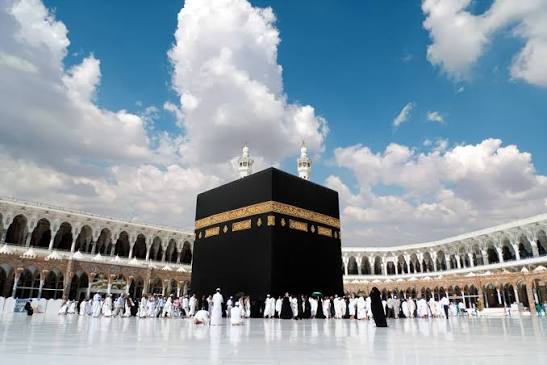
March marks a transitional season shifting from late winter to early spring. In Makkah, daytime temperatures are generally warm to moderate, while evenings tend to be pleasantly mild. The extreme, dry heat of late summer is usually absent, making the outdoor Tawaf on the Mataf courtyard and the walk between Safa and Marwah significantly more comfortable for pilgrims.
In Madinah, the climate is distinctly spring-like during daylight hours but noticeably cool at night and during early morning hours. Visitors heading to the Prophet's Mosque for Fajr prayer should expect brisk breezes, making it advisable to wear an extra layer. Overall, March offers pleasant atmospheric conditions that are well-suited for families, children, and elderly pilgrims.
Crowd Levels and the Hijri Calendar Factor
Crowd density in March fluctuates each year because the Islamic Hijri calendar is approximately ten to eleven days shorter than the Gregorian year. Consequently, crowd sizes depend primarily on whether March coincides with major Islamic seasons or regional spring school breaks.
If March aligns with sacred periods such as Ramadan, Rajab, or Sha'ban, pilgrim numbers increase dramatically, leading to higher hotel occupancies and busier courtyards around the Two Holy Mosques. Conversely, when March falls outside these major spiritual occasions or holiday seasons, crowd levels remain moderate, granting pilgrims a serene environment with easier movement between prayer areas and holy sites.



Miqat Rules and Designations for Pilgrims
Every pilgrim intending Umrah must assume Ihram before crossing the designated spatial boundaries known as the Mawaqit, as established by the Prophet, peace be upon him. These locations are strictly defined:
- Dhu al-Hulayfah (Abyar Ali): The Miqat for the people of Madinah and those passing through it; it is the farthest Miqat from Makkah, approximately 420 km away.
- Al-Juhfah (pilgrims today enter Ihram from Rabigh): The Miqat for people arriving from the Levant, Egypt, Morocco, and those coming from their direction, roughly 186 km from Makkah.
- Qarn al-Manazil (As-Sayl Al-Kabir, and parallel to it Wadi Muharram on the Taif-Al Hada road): The Miqat for the people of Najd (including Riyadh and Qassim), Taif, and those arriving from the east, about 75 to 80 km from Makkah.
- Yalamlam (As-Sa'diyyah): The Miqat for the people of Yemen and those arriving from the south, located around 100 km from Makkah.
- Dhat Irq (Ad-Daribah): The Miqat for the people of Iraq and those coming from the northeast, approximately 100 km from Makkah.
Those residing within the boundaries (such as the residents of Jeddah) assume Ihram directly from their residences. Residents or visitors staying in Makkah who wish to perform an additional Umrah must exit to the Hil area, with the nearest point being At-Taneem (Masjid Aisha). For air travelers, Ihram must be initiated upon or prior to aligning with the Miqat in flight; crossing it without Ihram is not permissible. Pilgrims should consult trusted religious scholars regarding disputed fiqh matters.
Packing Essentials for a March Pilgrimage
Given the mild daytime weather and cooler nights, packing requires thoughtful preparation:
- Breathable, high-grade cotton Ihram garments for men, along with an extra spare set.
- A light jacket, cardigan, or warm shawl, especially useful for evenings in Madinah and pre-dawn prayers.
- Well-cushioned footwear or walking sandals suitable for long walking distances between hotels and the sanctuaries.
- Unscented personal care products and moisturizers to comply with Ihram regulations while preventing dry skin.
- Essential personal medications and a compact sun umbrella for mid-day walks under direct sunlight.
Booking Tips and Intercity Transit
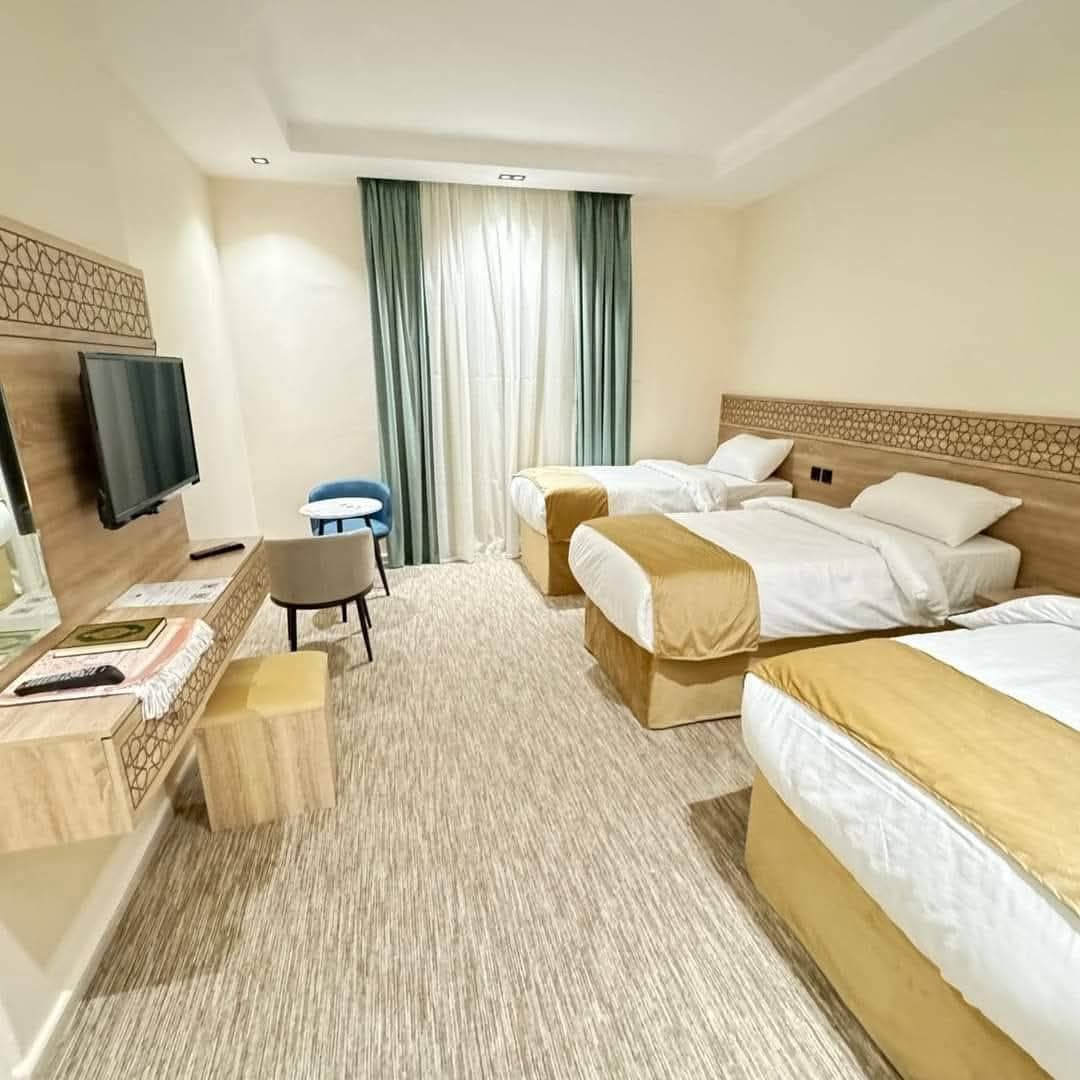
Securing accommodations early is crucial to prevent unexpected rate increases, especially if travel dates overlap with peak pilgrimage weeks. Opting for hotels within short walking distance of the Haram courtyards minimizes physical fatigue, or ensure that your hotel operates a reliable, regular shuttle service.
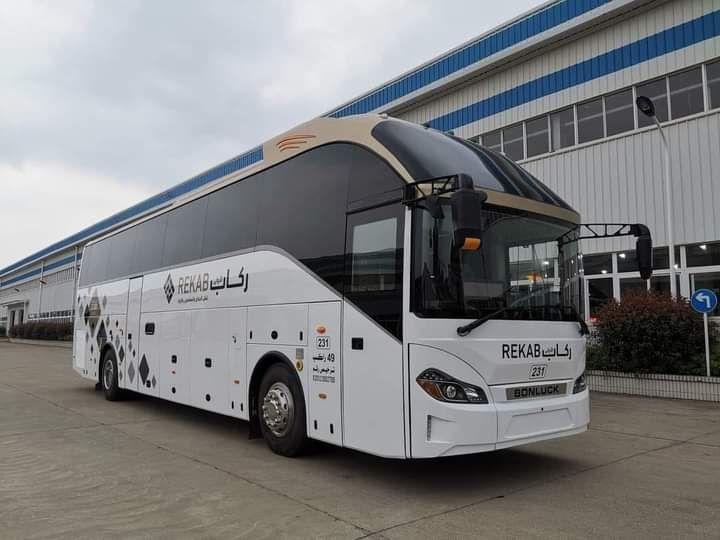
When traveling between Makkah and Madinah, road transit by bus or private vehicle takes approximately four to five hours, while high-speed rail options can complete the journey in around two and a half hours. It is recommended to reserve train and bus tickets well in advance to secure suitable schedules that do not clash with primary prayer times.
Scheduling Tawaf, Sa'i, and Site Visits
To ensure a smooth pilgrimage, timing is key. The most serene hours for performing Tawaf and Sa'i are late at night or directly following the Fajr prayer until sunrise. Temperatures during these windows are minimal, allowing pilgrims to complete their rituals without the burden of intense daytime warmth.
In Madinah, arrange your visit to the Rawdah Sharifah in accordance with official scheduling systems and permits. Visiting historical landmarks such as Mount Uhud and Masjid Quba is most comfortably undertaken in the early morning when conditions are refreshing.
Planning your March Umrah with foresight allows you to focus fully on worship and spiritual renewal. Compare verified Umrah packages and book your next journey effortlessly with Omraway today.