Understanding how to navigate Makkah is essential for ensuring a smooth and spiritually fulfilling Umrah journey. The holy city provides diverse transportation options designed to accommodate varying physical needs, budgets, and accommodation locations. This guide outlines how to use buses, taxis, and pedestrian walkways effectively during your stay.
Planning Your Daily Commute in Makkah
Makkah is characterized by its mountainous landscape, modern tunnel network, and significant pedestrian traffic, particularly during prayer times and peak Umrah seasons. Advanced planning regarding how to commute between your hotel and the Grand Mosque saves vital energy and time. Whether your hotel is situated adjacent to the Haram or located in nearby districts, understanding designated routes and transit hubs helps maintain peace of mind throughout your pilgrimage.
Bus Systems and Shuttle Services
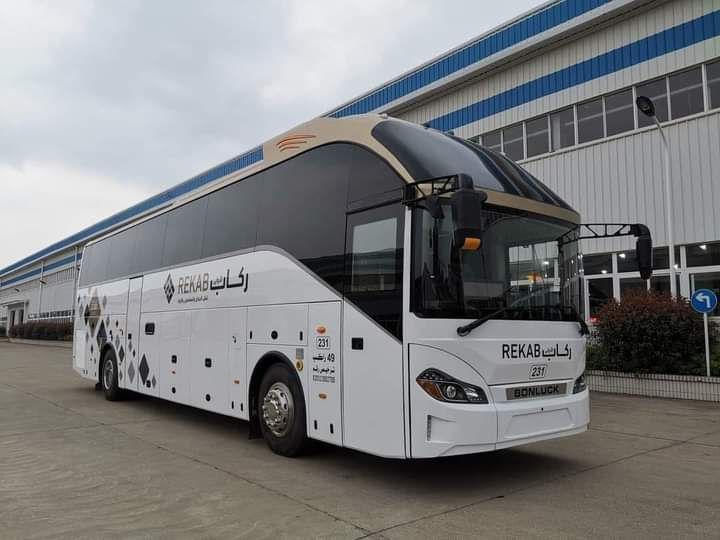
Buses represent the backbone of mass transportation in Makkah, offering an accessible and practical solution for pilgrims staying outside the immediate central area, such as in العزيزية (Al-Aziziyah), Mahbas Al-Jinn, or Kudai.
- Hotel Shuttle Buses: Many hotels located slightly away from the Haram provide dedicated shuttle services that transport guests back and forth throughout the day. These buses usually operate between hotel entrances and specific drop-off stations near the Haram perimeter, such as the Kudai terminal or the Mahbas Al-Jinn station, from where pilgrims complete a short walk.
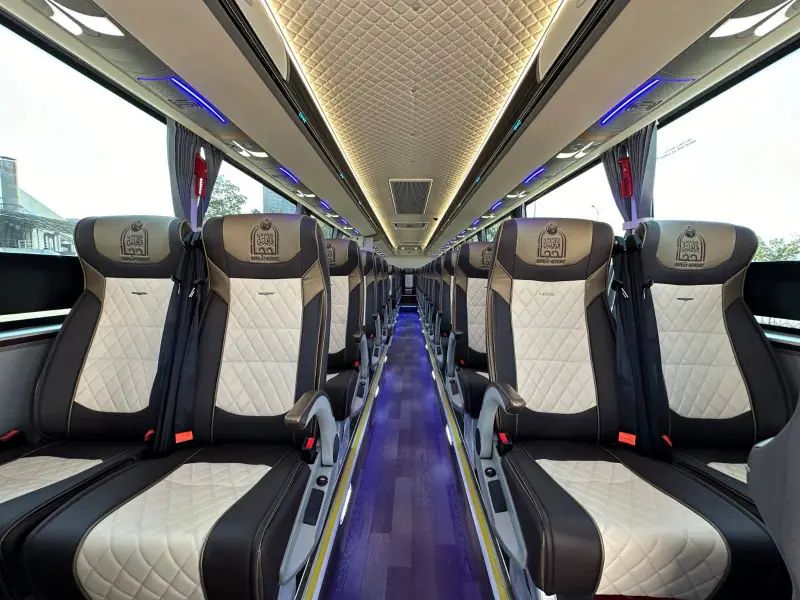
- Public Transit Buses: Makkah features an extensive public bus network linking various neighborhoods with the central zone. These modern buses run on designated lanes, offering air-conditioned comfort and frequent departures.
- Major Transit Stations: Specific perimeter hubs handle bus circulation to prevent traffic congestion directly around the Haram courtyards. Well-known stations include Jarwal, Bab Ali, and Ray Bakhsh, functioning as major departure and arrival points.

Taxis and Ride-Hailing Options
Taxis provide flexibility and privacy, making them suitable for small families, those traveling with elderly companions, or anyone wishing to travel outside scheduled shuttle windows.
- Direct and Flexible Travel: Using taxis enables travelers to set their own schedule, which is particularly convenient for visiting historical sites around Makkah or transferring luggage between accommodations.
- Reaching the Tan'eem Mosque: For pilgrims residing within the boundaries of Makkah who wish to perform an additional Umrah, legal rulings indicate they must exit to the nearest boundary of the Hil area to enter the state of Ihram. In Islamic jurisprudence, those who reside within the Miqat perimeter (such as the people of Jeddah) assume Ihram from their place of stay, while residents or visitors inside Makkah proceed to the Hil, the closest being At-Tan'eem (Masjid Aisha). Taxis are the standard mode of transport to reach Masjid Aisha, located just a short drive away, and return after donning Ihram. For specific religious nuances, pilgrims should consult recognized scholars.
- Traffic Restrictions Near the Haram: Local authorities temporarily restrict private cars and taxis from entering the central ring roads immediately before and after the five obligatory prayers. Passengers during these hours are dropped off at designated security perimeters to continue on foot.
Walking to the Haram: When Is It the Best Option?
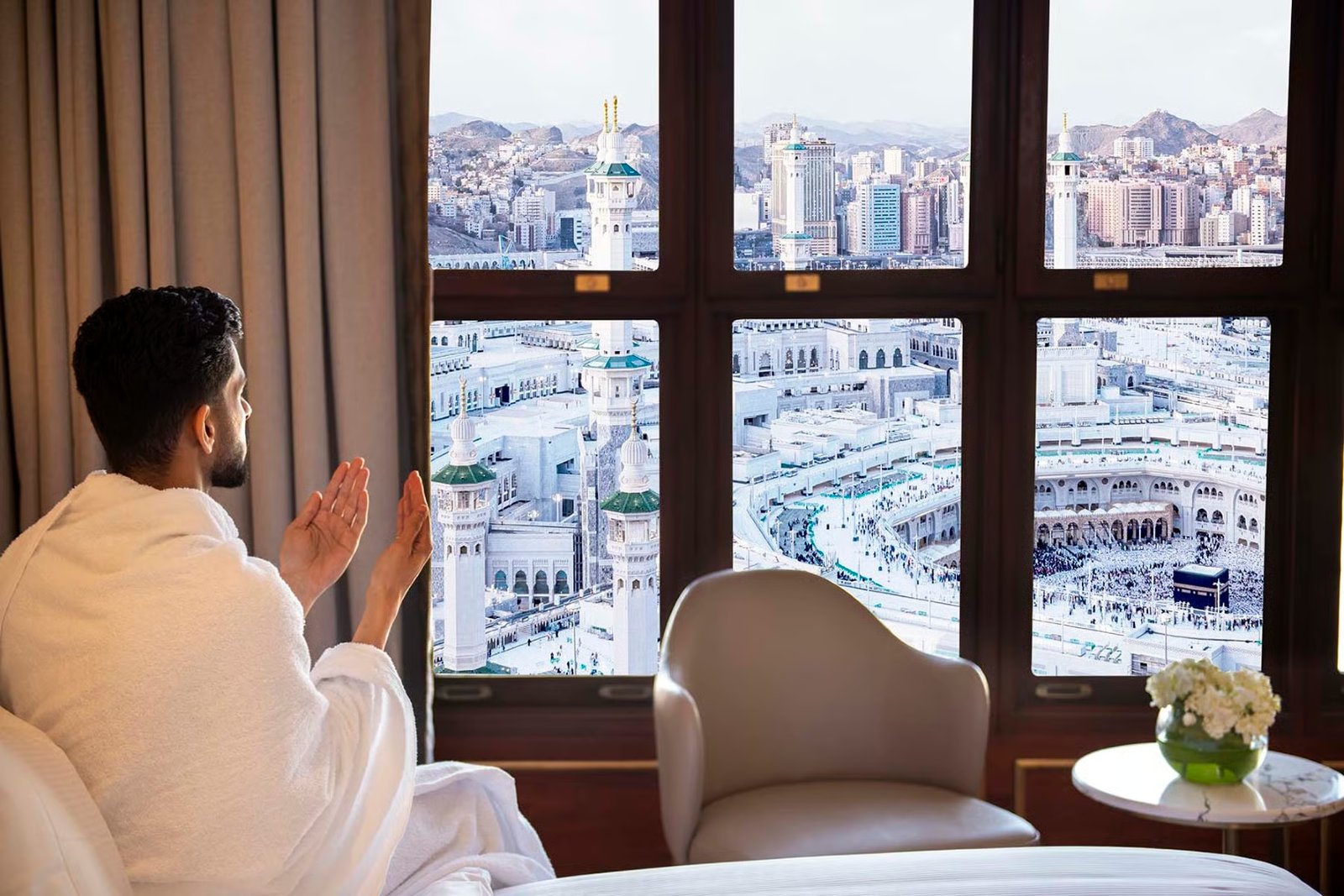
For pilgrims staying in hotels clustered around the central district—such as in Ajyad, Ibrahim Al-Khalil Street, or Jabal Omar—walking is often the fastest and most practical way to reach the mosque.
- Efficiency During Congestion: Walking eliminates waiting times for vehicles and bypasses road closures enforced during peak entry and exit windows.
- Dedicated Pedestrian Pathways and Tunnels: The city offers well-planned pedestrian walkways separated from motor vehicle traffic. Multiple pedestrian tunnels are equipped with ventilation fans, water-misting systems, and lighting to keep pilgrims comfortable during warmer hours.
- Preparation for Walking: Pilgrims choosing to walk should wear cushioned footwear suitable for hard surfaces, use an umbrella for shade during midday, and stay well hydrated by drinking ample water and Zamzam.
Considerations for the Elderly and People of Determination
Makkah is well equipped to support individuals with limited mobility, offering infrastructure designed to ease physical exertion:
- Manual and Electric Wheelchairs: The courtyards and upper levels of the Grand Mosque provide access to wheelchairs. Official electric carts are available for rental on designated floors for Tawaf and Sa'i.
- Ramps and Escalators: All main plaza entrances incorporate gradual ramps, elevators, and wide escalator banks, facilitating movement between different terrace levels.
- Strategic Hotel Selection: For elderly pilgrims, booking accommodations with direct plaza access minimizes walking distance and avoids the physical strain of boarding and disembarking from transit vehicles multiple times a day.
Managing Movement During Peak Prayer Times
Pedestrian flow peaks approximately thirty minutes before each adhan and continues for about an hour after the conclusion of the prayer. Friday midday prayers experience the highest crowd volumes.
- Early Arrival: Reaching the mosque well ahead of prayer times ensures access into the inner shaded prayer halls before external gates are closed to manage capacity.
- Delayed Departure: Lingering inside the Grand Mosque after prayer for recitation, supplication, or reflection allows the initial rush to clear, ensuring a relaxed, unhurried walk back to your vehicle or hotel.
Selecting the right balance between walking, buses, and private transit will help you preserve your energy for worship. You can easily compare hotels and customized Umrah packages to find the ideal travel arrangement through Omraway.