Performing Umrah in February is highly favored by pilgrims seeking cooler temperatures and comfortable conditions across the holy cities. With balanced weather throughout the day, pilgrims can focus on their devotional acts in an unhurried, serene atmosphere. This guide covers essential weather insights, crowd navigation advice, and planning pointers for your spiritual journey.


Advantages of Performing Umrah in February
February stands out as one of the most pleasant periods of the year for visiting Makkah and Madinah. Mild daytime temperatures across the Arabian Peninsula make movement between your hotel and the holy sites considerably less strenuous than during the hot summer months.
Families traveling with young children and elderly pilgrims particularly benefit from this moderate climate. The risk of heat exhaustion drops significantly, offering greater flexibility to perform the Tawaf and Sa'i comfortably, visit historical landmarks, and engage in personal worship inside the courtyards for extended periods.
February Weather Conditions in Makkah and Madinah
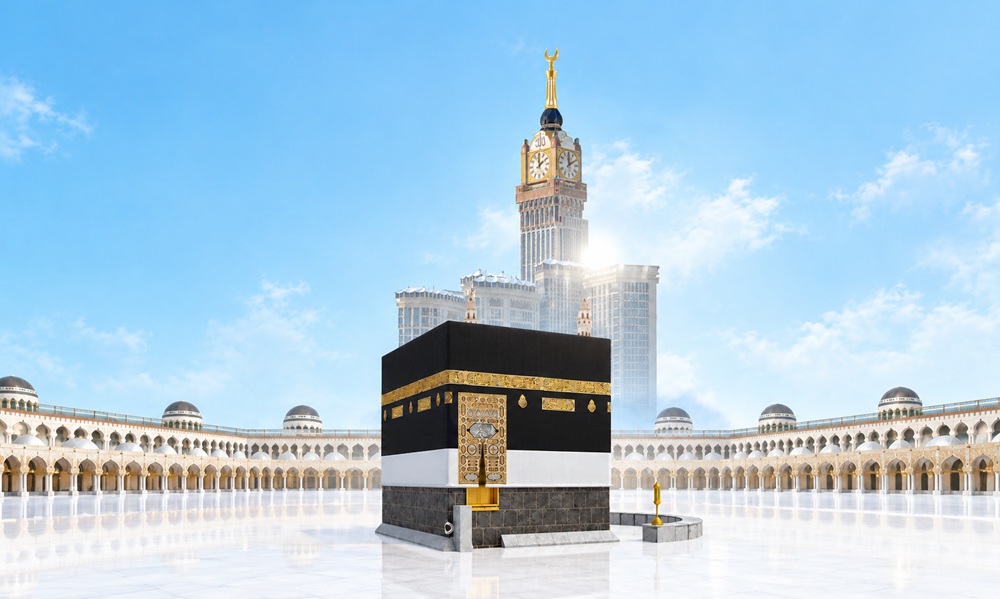
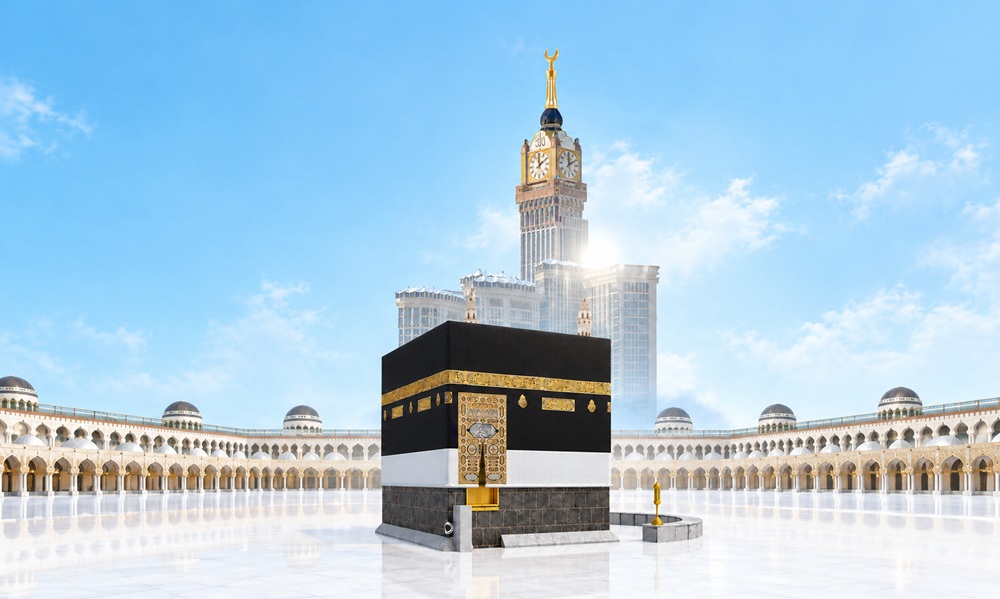
Makkah generally experiences warm and pleasant daytime temperatures in February, followed by comfortable, refreshing evenings. Performing the Tawaf around the Kaaba during the daytime is usually manageable without the intensity of peak desert heat.
Madinah, by contrast, tends to be noticeably cooler, particularly in the early morning hours and late at night. The vast courtyards of the Prophet's Mosque can feel chilly after sunset, making proper clothing preparation essential for every visitor.
- Pack modest layers that allow you to adapt to changing temperatures between daytime and night.
- Bring a light jacket or warm wrap for outdoor evening prayers in Madinah.
- Maintain consistent hydration, as cooler breezes can often mask thirst.
Crowd Levels and Managing Your Ritual Timings
Crowd density in February varies depending on how the month aligns with rotating Hijri dates and regional holiday calendars, since the lunar Islamic year shifts annually. Outside concentrated vacation intervals, daily pilgrim traffic remains steady and organized.
To perform your rituals in peaceful conditions, plan your Umrah rites away from the busiest windows right after the obligatory congregational prayers. Late evening, post-midnight, and early morning periods typically offer the smoothest movement inside the Mataf.
- Reserve your Rawdah visit permits well ahead of time through official platforms to ensure entry at your preferred hour.
- Schedule Tawaf during mid-morning or deep into the night for greater space and ease.
- Arrive early at the mosques before Friday prayers to secure a comfortable place inside the shaded halls.
Miqat Points and Ihram Guidelines for Travelers
Entering into Ihram before crossing the specified boundaries is an established obligation for every pilgrim arriving for Umrah. The spatial boundaries are outlined as follows:
- Dhu al-Hulayfah (Abyar Ali): The Miqat for residents of Madinah and those passing through it; it is the farthest Miqat from Makkah, situated around 420 km away.
- Al-Juhfah (pilgrims today enter Ihram from Rabigh): The Miqat for those coming from the direction of the Levant, Egypt, North Africa, and that path, situated around 186 km from Makkah.
- Qarn al-Manazil (Al-Sayl al-Kabir, and parallel to it Wadi Muharram on the Taif-Al Hada road): The Miqat for the people of Najd, Riyadh, Qassim, Taif, and those arriving from the east, located around 75 to 80 km from Makkah.
- Yalamlam (Al-Sadiah): The Miqat for those coming from Yemen and the south, located around 100 km from Makkah.
- Dhat Irq (Al-Daribah): The Miqat for people arriving from Iraq and the northeast, situated around 100 km from Makkah.
- Those residing within the Miqat zones (such as residents of Jeddah) enter Ihram from their place of residence.
- Residents of Makkah who wish to perform Umrah must exit to the nearest boundary of the Hill, most commonly at Al-Taneem (Masjid Aisha).
- Air travelers must enter Ihram upon aligning with the Miqat while in flight and cannot cross it without being in Ihram; they should prepare before departure or well prior to reaching the boundary.
These guidelines represent the widely accepted legal rulings. Whenever you encounter specific uncertainties, consulting qualified scholars is recommended.
Practical Tips for Planning and Booking February Umrah
Because of the attractive winter climate, accommodation near the holy sites can experience steady demand in February. Thoughtful early preparation prevents last-minute compromises regarding comfort and distance.
- Confirm your travel dates and book early to secure your preferred flight times and lodgings.
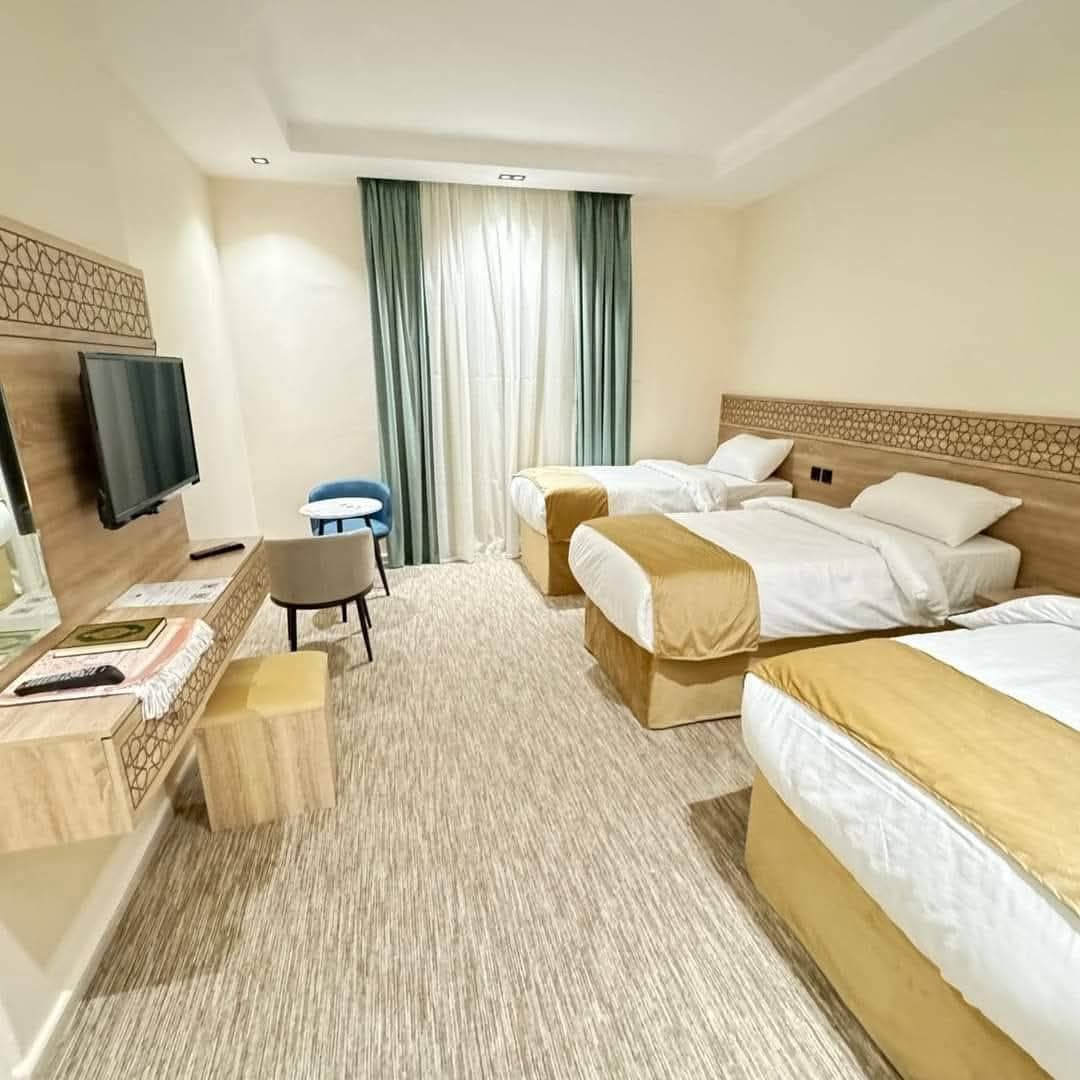
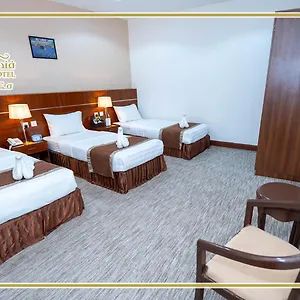
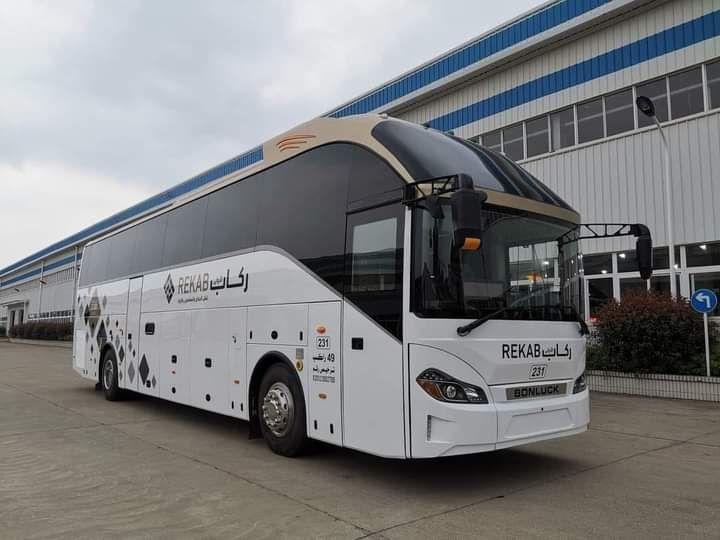
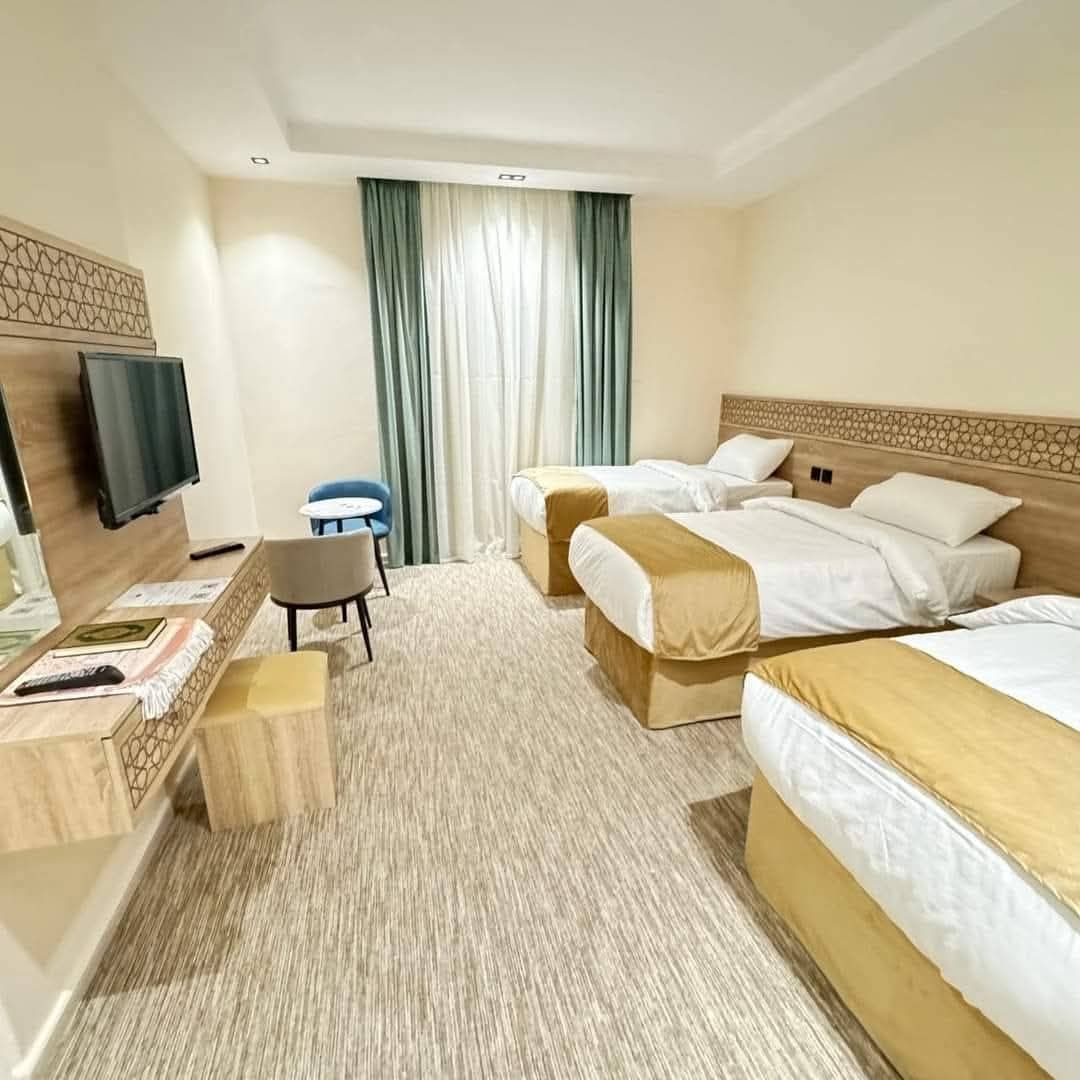
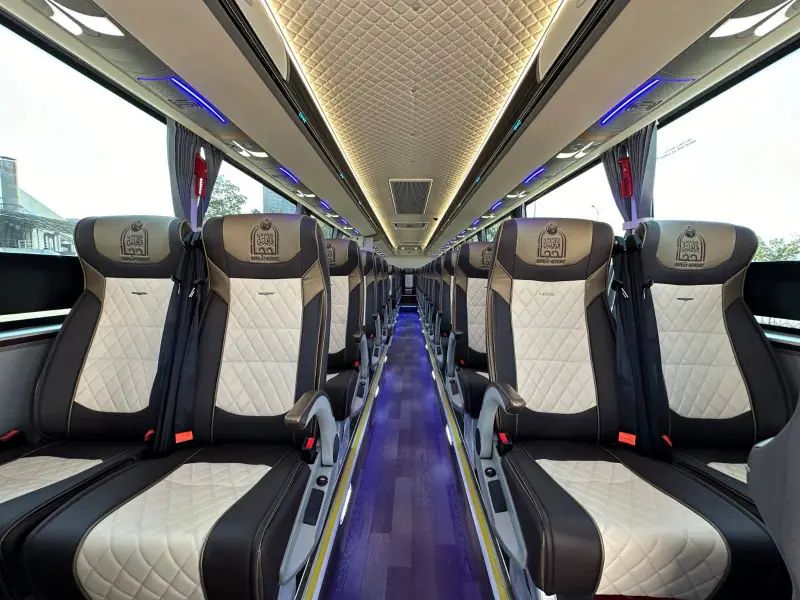
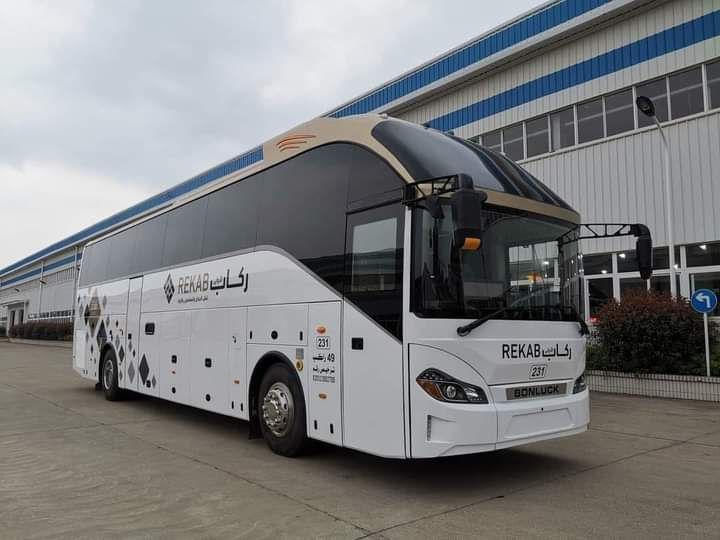
- Evaluate hotel options carefully, considering walking distance, shuttle bus frequency, and family requirements.
- Carry essential prescriptions and travel necessities to avoid interruptions during your stay.
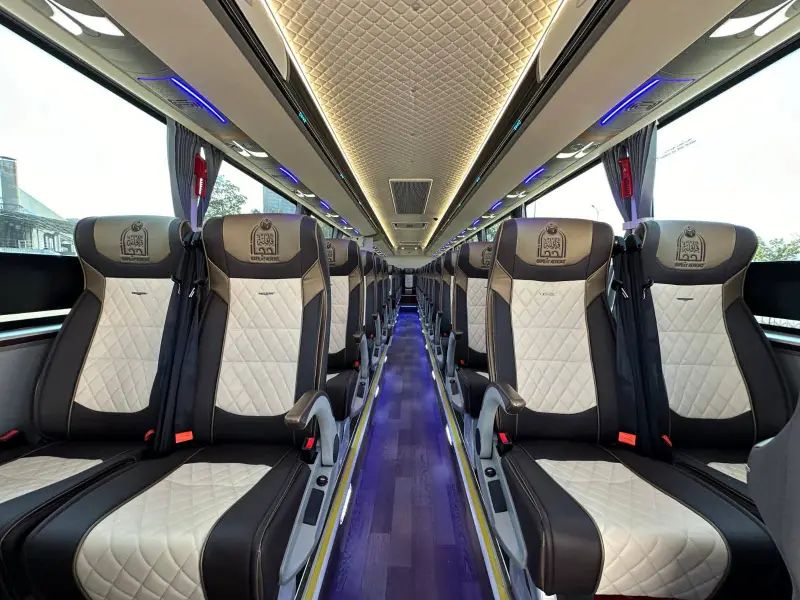
- Consider modern high-speed train connections between Makkah and Madinah to reduce transit fatigue.
Compare and Book Your Journey with Omraway
Finding the right package can transform your spiritual journey into an organized, stress-free experience. Omraway allows you to easily compare a wide range of verified Umrah itineraries, hotel packages, and travel services side by side. Explore our platform today to select the ideal arrangement for you and your family, and begin your sacred pilgrimage with confidence.