January is widely regarded as one of the most pleasant periods to perform Umrah. As cooler winter temperatures settle across the Arabian Peninsula, pilgrims can complete the outdoor rituals of Tawaf and Sa'i with far less physical strain compared to the warmer seasons. In this comprehensive guide, we cover the winter climate in Makkah and Madinah, crowd expectations, and essential recommendations for a smooth and rewarding trip.
Weather in Makkah During January
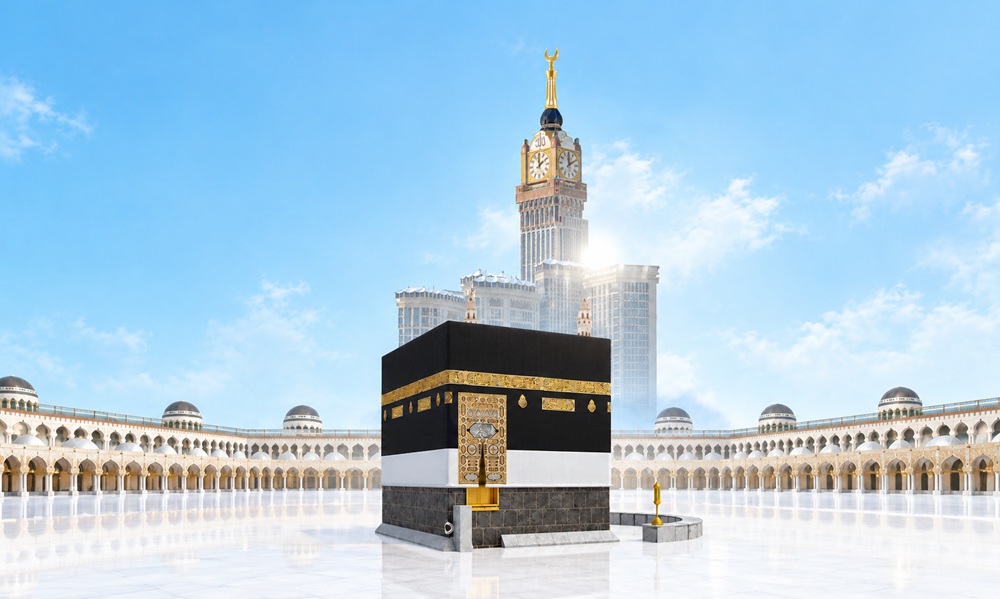
Makkah enjoys exceptionally comfortable weather throughout January. Daytime conditions are generally mild and sunny, offering pleasant conditions for performing Tawaf around the Kaaba and moving between Safa and Marwah.
During late evenings and early mornings, temperatures drop to a comfortable coolness. This winter climate is especially advantageous for elderly pilgrims, families with young children, and individuals with underlying health conditions, as it minimizes the risk of heat exhaustion and fatigue.
Winter Temperatures in Madinah
Madinah is located further north and at a higher altitude than Makkah, which makes its winter distinctly cooler. While afternoons remain pleasantly mild, late nights and pre-dawn hours often become genuinely cold.
Pilgrims attending Fajr and Isha prayers at the Prophet's Mosque are strongly advised to bring layered clothing. Cold northern breezes can be felt sharply across the expansive open marble courtyards, making warm outer garments essential during early morning hours.
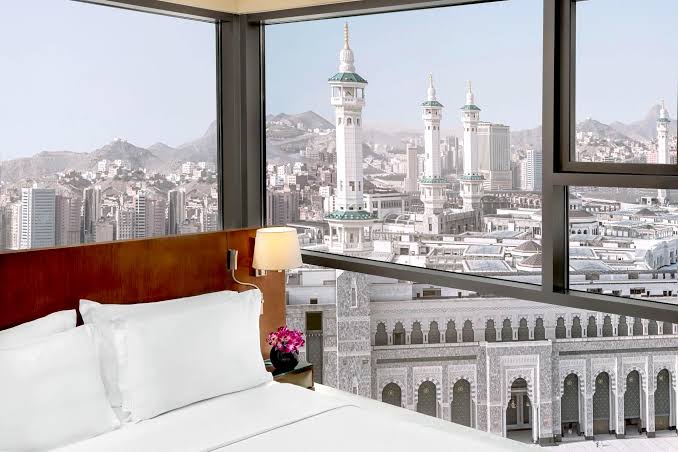
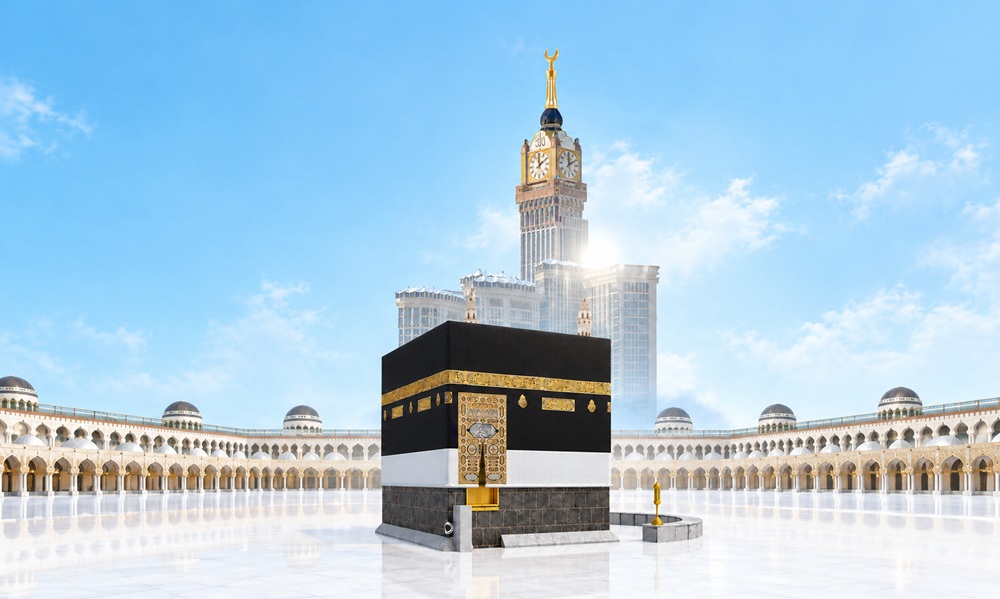
Expected Crowd Levels and Travel Flow
January generally sees a consistent influx of regional and international pilgrims taking advantage of the pleasant seasonal climate. It is important to note that the Islamic Hijri calendar advances by approximately ten to eleven days each Gregorian year, meaning religious seasons and public holidays shift continuously across different calendar months.
Consequently, overall crowd density depends on the timing of school breaks and seasonal holidays in various sending countries. Across all weeks, Fridays and weekend periods consistently experience heavier attendance in the Holy Mosques compared to mid-week days.
Spatial Miqats for Pilgrims Traveling in January
Every pilgrim intending Umrah must assume the state of Ihram before passing their designated Miqat:
- Dhu al-Hulayfah (Abyar Ali): The Miqat for the residents of Madinah and those who pass through it, located roughly 420 km from Makkah.
- Al-Juhfah (with pilgrims today entering Ihram at Rabigh): The Miqat for travelers from the Levant, Egypt, North Africa, and those from their directions, roughly 186 km from Makkah.
- Qarn al-Manazil (As-Sayl al-Kabir, and parallel to Wadi Muharram on the Taif-Al Hada route): The Miqat for the people of Najd (including Riyadh and Qassim), Taif, and those arriving from the east, roughly 75 to 80 km from Makkah.
- Yalamlam (As-Sadiyah): The Miqat for the people of Yemen and those arriving from the south, roughly 100 km from Makkah.
- Dhat Irq (Ad-Daribah): The Miqat for the people of Iraq and those coming from the north-east, roughly 100 km from Makkah.
- Those residing within the Miqat boundaries (such as residents of Jeddah) assume Ihram directly from their homes. Residents of Makkah travel outside the sacred precinct to the nearest boundary of the Hill, most commonly at At-Tan'eem (Aisha Mosque).
- Air passengers must enter Ihram upon aligning with the Miqat in flight and are not permitted to cross it without Ihram; preparation should be made before boarding or well prior to the announcement.
These rulings are based on the widely recognized jurisprudence, and pilgrims should always consult knowledgeable scholars for specific religious inquiries.
Packing Essentials for a Winter Umrah Trip
Packing for January requires careful preparation to manage daytime mildness alongside colder night hours:
- Medium-weight winter apparel, jackets, and thermal wear for Madinah, particularly for seniors and children.
- A standard Ihram garment, potentially complemented by an extra blanket or warm shawl to drape over the shoulders outside the state of Ihram.
- Skin moisturizers, lip balms, and personal grooming tools, as dry winter air can quickly cause skin irritation.
- Supportive, cushioned walking footwear for transit between hotels and outer courtyards.
Practical Tips for Accommodation and Booking
Organizing key logistical details well in advance ensures a comfortable journey:
- Reserve accommodation within reasonable proximity to the Holy Mosques, or ensure the property provides dependable, continuous shuttle services.
- Schedule Umrah and Rawdah visits via official applications promptly once booking slots are made available.
- Check flight itineraries carefully and inform flight attendants if you need advance notice to don Ihram garments before crossing the designated aerial Miqat.
- Consider performing rituals during low-traffic periods, such as mid-morning or past midnight, to avoid high foot traffic.
Before finalizing your travel plans, explore available packages and compare the best Umrah journey options tailored to your schedule through Omraway.