Makkah holds a deeply revered status in the hearts of Muslims worldwide, carrying centuries of Islamic heritage within its mountains and valleys. While completing the rituals of Umrah remains the primary purpose of visiting the holy city, exploring its historic landmarks adds profound spiritual meaning to the pilgrimage. This guide highlights the essential ziyarah sites and monuments that help pilgrims connect with early Islamic history.

The Grand Mosque: The Spiritual Center of Islam
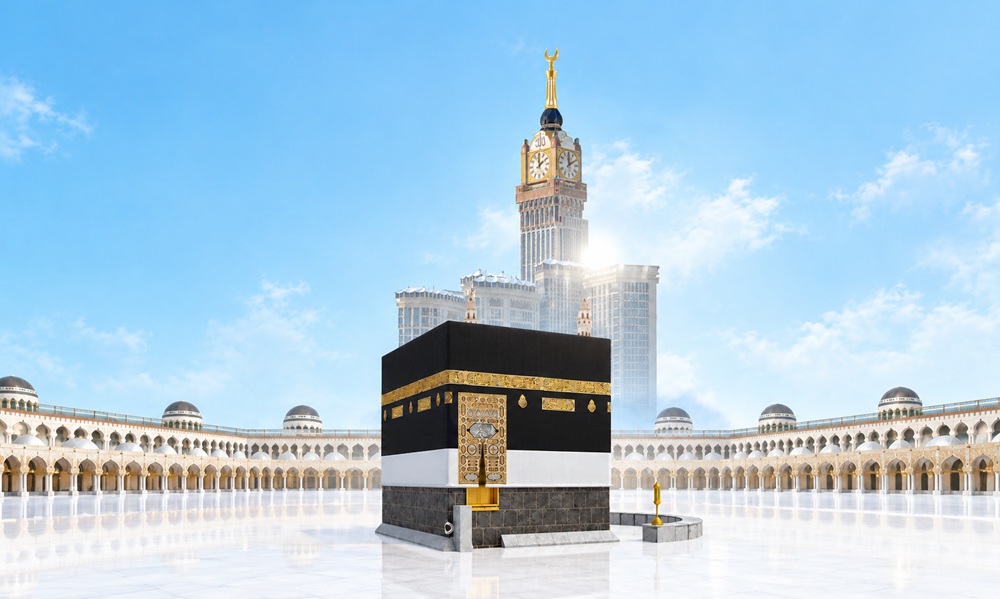
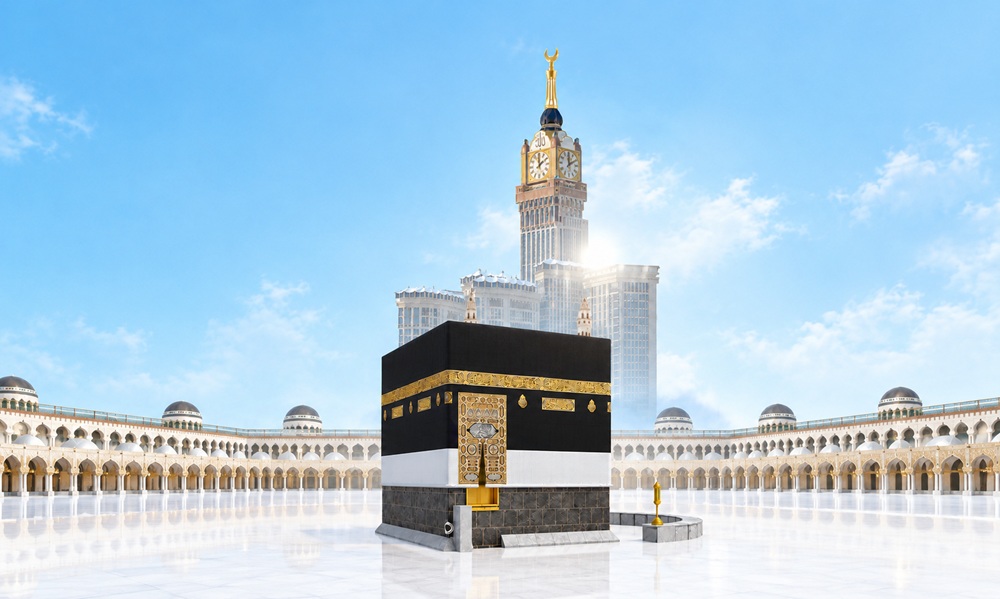
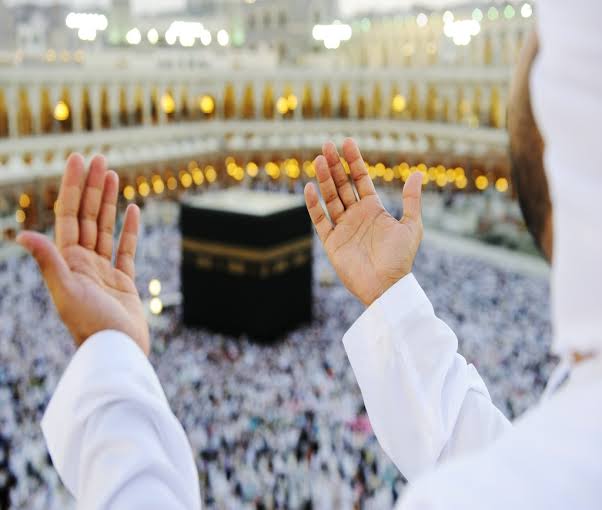
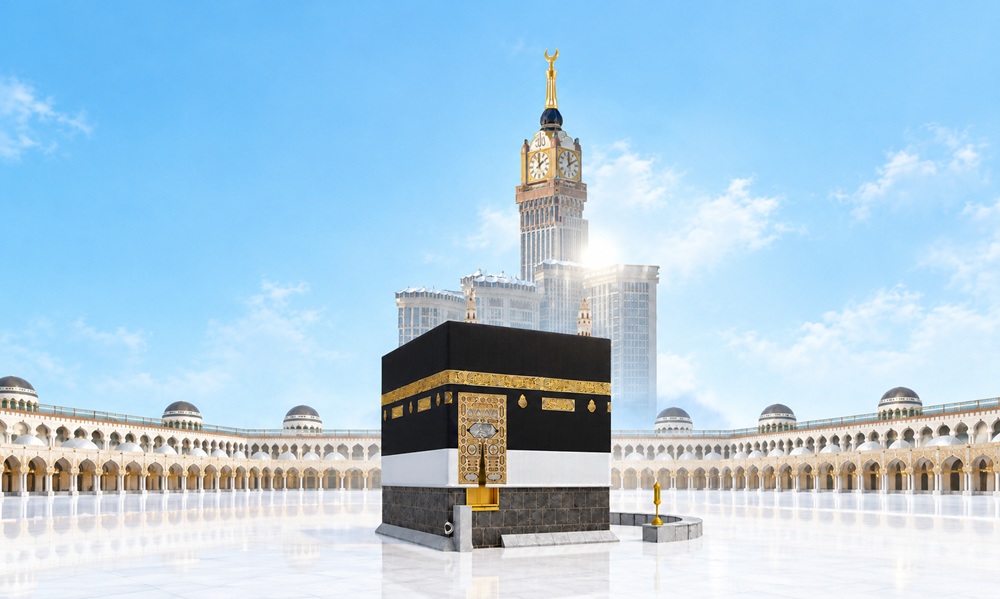
Al-Masjid Al-Haram is the ultimate sanctuary and the focal point of every pilgrim arriving in Makkah. It surrounds the Holy Kaaba, the direction faced by Muslims across the globe during prayer. Pilgrims circumambulate the Kaaba, reflect near the Station of Ibrahim, and complete the ritual walk between the mounts of Safa and Marwah, remembering the endurance of Hajar.
Key landmarks within the Grand Mosque precinct include:
- The Holy Kaaba: The sacred House of Allah, featuring the Black Stone (Al-Hajar Al-Aswad) and the Yemeni Corner.
- Hijr Ismail (The Hatim): The semi-circular enclosure adjacent to the Kaaba, recognized as part of the House where prayer is recommended when accessible.
- The Station of Ibrahim (Maqam Ibrahim): The stone on which the Prophet Ibrahim stood while elevating the walls of the Kaaba.
- The Well of Zamzam: The blessed spring that burst forth by divine command for Ismail and his mother, providing sacred sustenance for generations.
Jabal al-Nour and the Cave of Hira: The Dawn of Revelation
Located northeast of Makkah, Jabal al-Nour (The Mountain of Light) stands as a monumental landmark in Islamic tradition. Near the summit of this rugged mountain lies the Cave of Hira, the secluded chamber where Prophet Muhammad, peace be upon him, engaged in deep contemplation before receiving the divine call.
It was within this small cave that the Archangel Jibril descended with the opening verses of the Holy Quran, marking the start of the prophetic mission. Visitors today view this mountain to appreciate the immense patience of the Prophet. Pilgrims should keep in mind that visits are intended for historical reflection rather than specific acts of worship, and those attempting the ascent must consider physical fitness.
Jabal Thawr and the Cave: The Shelter of the Hijrah
Jabal Thawr rises in the southern quarter of Makkah, sheltering the cave where the Prophet and his trusted companion, Abu Bakr Al-Siddiq, took refuge during the historic migration (Hijrah) to Madinah while Quraysh pursued them.
This site stands as a timeless symbol of unwavering reliance on Allah alongside careful planning. Visiting the foot of this mountain reminds pilgrims of the immense sacrifices made by early Muslims to safeguard their faith. As with other historic sites, visits should remain observational and reflective, strictly avoiding innovations not sanctioned by Islamic teachings.
The Sacred Sites: Mina, Muzdalifah, and Arafat
Although their associated rituals are designated for the annual Hajj season, the sacred sites outside central Makkah are deeply meaningful to visit during an Umrah journey.
These sacred grounds comprise:
- Mina: Known for the Jamarat facilities and Masjid al-Khayf, a historic mosque where many prophets are narrated to have prayed.
- Muzdalifah: The open plain where Hajj pilgrims spend the night under the stars and collect pebbles, featuring Masjid al-Mash'ar al-Haram.
- The Plain of Arafat: Situated outside the Haram boundaries, hosting Jabal al-Rahmah (The Mount of Mercy) and the prominent Masjid Namirah, where the central gathering of Hajj occurs on the ninth day of Dhul Hijjah.
Historic Mosques and Heritage Sites Across Makkah
Beyond the central areas, several historic locations shed light on the events of early Islamic history:
- Masjid al-Jinn: Situated close to the historic Al-Ma'la cemetery, named after the event where a group of Jinn listened to the Prophet reciting the Quran and embraced the message of Islam.
- Jannat al-Mu'alla (Al-Hajun Cemetery): The ancient burial ground of Makkah, containing the resting places of revered early Muslims, notably Mother of the Believers Khadijah bint Khuwaylid.
- Masjid al-Bay'ah: Located near Mina, marking the site where the Ansar from Madinah pledged their allegiance to the Prophet during the Pledges of Al-Aqabah.
Masjid Aisha (Al-Taneem) and Miqat Regulations
Masjid Aisha, situated in Al-Taneem, serves as the primary gateway for residents of Makkah and pilgrims within the sacred boundaries wishing to enter into Ihram for an additional Umrah, following the guidance given by the Prophet to Aisha.
Islamic jurisprudence outlines precise Miqat locations for entering into the state of Ihram:
- Dhu al-Hulayfah (Abyar Ali): The designated miqat for people of Madinah and those passing through it, located about 420 km from Makkah.
- Al-Juhfah (with pilgrims today assuming Ihram from Rabigh): The miqat for travelers from the Levant, Egypt, and North Africa, situated about 186 km from Makkah.
- Qarn al-Manazil (Al-Sayl al-Kabir, matched by Wadi Muharram on the Taif-Al Hada route): The miqat for travelers from Najd (including Riyadh and Al-Qassim), Taif, and the east, about 75–80 km from Makkah.
- Yalamlam (Al-Sadiyah): The miqat for travelers from Yemen and the south, situated about 100 km from Makkah.
- Dhat Irq (Al-Daribah): The miqat for travelers from Iraq and the northeast, about 100 km from Makkah.
- Those residing within the boundaries (such as Jeddah) assume Ihram from their place of residence, while residents of Makkah depart to the nearest non-sacred land (Al-Hill), primarily Al-Taneem (Masjid Aisha).
- Air travelers must enter Ihram upon aligning with the miqat in flight and are not permitted to cross it without Ihram, requiring preparation before departure or onboard.
These guidelines follow the widely established positions in Islamic scholarship. Pilgrims are advised to consult recognized religious authorities when questions or differing opinions arise.
Tips for Planning a Smooth Ziyarah in Makkah
To make the most of your visits to these historical sites, consider the following practical guidance:
- Schedule outdoor visits during early morning or evening hours to avoid intense daytime heat.
- Maintain dignity and respect at all sites, remembering that visiting is intended for contemplation and learning, avoiding unprescribed rituals.
- Use reliable transportation to ensure smooth access between geographically dispersed landmarks.
- Keep congregational prayers at Al-Masjid Al-Haram as your core focus, organizing your excursions around prayer times.
To arrange a seamless and spiritually fulfilling journey, explore Omraway (طريق العمرة) to compare diverse Umrah packages, evaluate itineraries, and book your complete pilgrimage with ease and confidence.